



Kitchen Island With Cooktop: The Pros and Cons Homeowners Should Know
Atlas Home Improvement knows that kitchen remodeling trends come and go, but some design features continue to spark debate among homeowners and designers alike. One of the most discussed kitchen layouts today is the kitchen island with cooktop. While this design can create a beautiful focal point and improve workflow in certain kitchens, it also comes with potential drawbacks that should be carefully considered before making a final decision.
Many homeowners love the idea of cooking while facing family members or guests rather than staring at a wall. Others appreciate the sleek appearance and open-concept feel that an island cooktop can provide. At the same time, concerns about ventilation, safety, countertop space, and kitchen functionality often lead homeowners to question whether this design choice is truly worth it.
If you are considering a kitchen island with cooktop as part of your renovation project, understanding both the advantages and disadvantages can help you make a decision that aligns with your cooking habits, lifestyle, and long-term goals.
What Is a Kitchen Island With Cooktop?
A kitchen island with cooktop is exactly what it sounds like: a cooking surface installed directly into the kitchen island rather than along a perimeter wall. The cooktop may be gas, electric, or induction, and it often becomes the centerpiece of the kitchen.
This layout gained popularity alongside open-concept floor plans because it allows homeowners to interact with family and guests while preparing meals. Rather than turning away from the room, the cook can remain engaged in conversations and activities taking place throughout the space.
While visually appealing, this configuration changes how the kitchen functions. That is why it is important to evaluate both its benefits and challenges before incorporating it into your kitchen remodeling plans.
The Advantages of a Kitchen Island With Cooktop
For many homeowners, the benefits are significant enough to make an island cooktop a worthwhile investment.
Improved Social Interaction
One of the biggest reasons homeowners choose a kitchen island with cooktop is the ability to stay connected with others while cooking.
Traditional kitchen layouts often position the stove against a wall, forcing the cook to face away from guests and family members. With an island cooktop, you can:
- Talk with family members while preparing meals
- Entertain guests more easily
- Keep an eye on children doing homework nearby
- Create a more welcoming atmosphere during gatherings
For households that frequently host parties or family events, this feature can dramatically improve the overall kitchen experience.
Creates a Modern, Open Layout
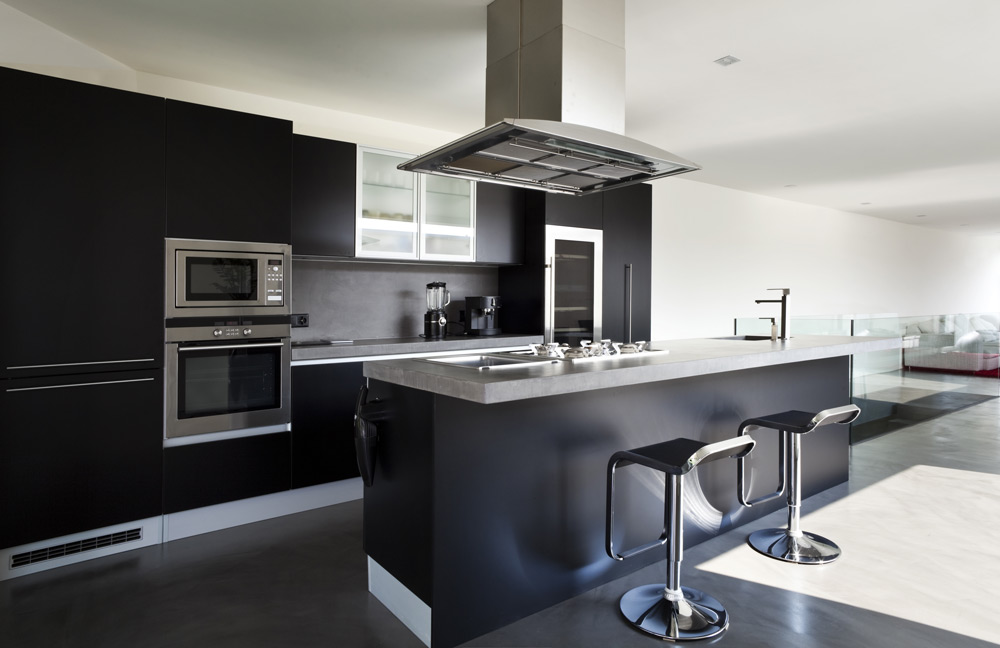
Kitchen islands naturally serve as visual focal points. Adding a cooktop to the island can enhance that effect and create a sophisticated, contemporary appearance.
Many homeowners appreciate how an island cooktop:
- Supports open-concept living
- Provides a clean, streamlined design
- Makes the kitchen feel more integrated with surrounding spaces
- Adds visual interest to the room
In larger kitchens, this layout can help prevent the space from feeling disconnected or fragmented.
Potentially Better Work Triangle Efficiency
The traditional kitchen work triangle connects the sink, refrigerator, and cooking area. When properly planned, a kitchen island with cooktop can improve workflow and reduce unnecessary movement.
A thoughtfully designed island placement may allow for:
- Shorter walking distances
- Easier meal preparation
- More efficient cooking processes
- Better access to ingredients and cookware
For homeowners who spend significant time cooking, these workflow improvements can be highly valuable.
Additional Storage Opportunities
Many kitchen islands include cabinetry, drawers, or shelving beneath the countertop. When a cooktop is installed, homeowners can still utilize much of the surrounding storage space.
Common storage options include:
- Pots and pans drawers
- Spice storage
- Utensil organizers
- Small appliance storage
- Cooking tool compartments
Having cooking supplies directly beneath the cooktop can create a convenient and organized workspace.
Increased Seating and Gathering Space
Depending on the island’s size and design, seating can often be incorporated around the cooktop area.
This allows guests or family members to gather nearby while meals are being prepared. For some households, the kitchen naturally becomes the primary social hub, and an island cooktop supports that role.
The Disadvantages of a Kitchen Island With Cooktop
Despite its popularity, a kitchen island with cooktop is not always the best solution. Several drawbacks deserve careful consideration.

Loss of Valuable Counter Space
One of the most common complaints involves the reduction of usable countertop area.
Kitchen islands often serve multiple purposes, including:
- Food preparation
- Serving meals
- Homework space
- Entertaining guests
- Casual dining
Once a cooktop occupies a portion of the island, that available workspace decreases significantly.
Homeowners who frequently bake, meal prep, or host gatherings may find themselves wishing they had preserved the island as a dedicated work surface instead.
Ventilation Challenges
Ventilation is perhaps the biggest concern associated with island cooktops.
Traditional wall-mounted ranges typically utilize overhead range hoods that effectively capture smoke, grease, steam, and cooking odors. Installing effective ventilation over an island can be more difficult and often more expensive.
Options generally include:
- Ceiling-mounted range hoods
- Downdraft ventilation systems
- Custom ventilation solutions
Each approach has advantages and disadvantages.
Ceiling-mounted hoods can be highly effective but may obstruct sight lines and impact the open appearance of the kitchen. Downdraft systems offer a cleaner look but often provide less effective ventilation than overhead hoods.
Poor ventilation can lead to lingering odors, airborne grease, and reduced indoor air quality.
Safety Considerations
Safety becomes increasingly important when a cooktop is located in a central traffic area.
Potential concerns include:
- Children reaching hot burners
- Accidental contact while walking by
- Hot grease splatter near seating areas
- Increased risk of spills
Families with young children should carefully evaluate whether an island cooktop fits their household’s safety needs.
Proper design features such as adequate clearance, induction technology, and strategic seating placement can help reduce some of these risks.
Visual Clutter
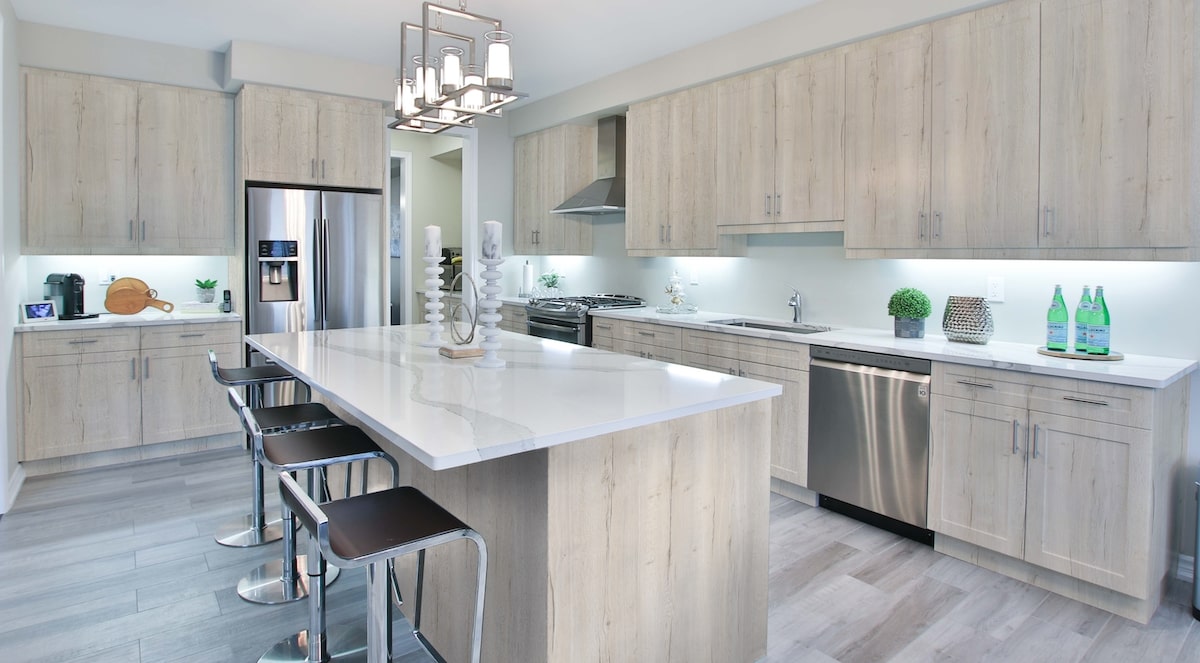
Kitchen islands are often intended to create a clean and attractive centerpiece. However, cooking naturally creates clutter.
Pots, pans, ingredients, utensils, and cooking tools can quickly accumulate around the cooktop.
Because the island sits in a highly visible location, any mess becomes immediately noticeable to everyone in adjacent living areas.
Homeowners who prioritize a consistently tidy appearance may find this frustrating.
Higher Installation Costs
Installing a kitchen island with cooktop often requires additional planning and construction work.
Costs may increase due to:
- Gas line relocation
- Electrical upgrades
- Ventilation installation
- Structural modifications
- Plumbing adjustments in some layouts
Compared to placing a cooktop along an existing perimeter wall, island installations typically involve more complexity and higher labor costs.
When a Kitchen Island With Cooktop Makes Sense
Although the drawbacks are real, many homeowners find that an island cooktop works exceptionally well in the right environment.
You may benefit from this layout if:
- You frequently entertain guests
- You enjoy social cooking experiences
- You have a large kitchen with ample island space
- Your remodel budget accommodates quality ventilation
- Your kitchen design allows for proper safety clearances
- You prioritize interaction and openness over maximum prep space
In these situations, the advantages often outweigh the potential downsides.
A well-designed island cooktop can become both a practical workstation and a gathering place for family and friends.
When You May Want to Consider Alternatives
Not every kitchen benefits from an island cooktop.
You may want to explore other layouts if:
- Counter space is already limited
- You do extensive meal preparation
- You prefer a clean, uncluttered island surface
- Your kitchen is smaller in size
- Ventilation options are restricted
- Safety concerns are a primary consideration
Many homeowners ultimately choose to place the sink in the island instead, leaving the cooktop on a perimeter wall. This arrangement preserves workspace while still allowing interaction with guests and family members.
Another increasingly popular option is a large prep island paired with a dedicated cooking zone elsewhere in the kitchen.
Design Tips for a Successful Kitchen Island With Cooktop
If you decide an island cooktop is right for your home, thoughtful planning is essential.
Prioritize Ventilation
Investing in an effective ventilation system should be a top priority. Proper ventilation improves air quality, reduces odors, and helps maintain a cleaner kitchen.
Choose the Right Island Size
A larger island generally performs better when incorporating a cooktop. Adequate surrounding workspace helps offset the loss of countertop area.
Many designers recommend maintaining sufficient landing space on both sides of the cooking surface for safety and convenience.
Consider Induction Technology
Induction cooktops are becoming increasingly popular for island installations.
Benefits include:
- Faster heating
- Greater energy efficiency
- Cooler cooking surfaces
- Improved safety
- Easier cleaning
For families with children, induction technology can offer additional peace of mind.
Plan Seating Carefully
If the island includes seating, position chairs and stools away from active cooking zones.
This helps minimize safety concerns while creating a more comfortable experience for guests and family members.
Think About Long-Term Functionality
Kitchen remodeling is a major investment. While design trends can influence decisions, daily functionality should remain the primary consideration.
Ask yourself:
- How often do you cook?
- How much prep space do you need?
- Do you entertain frequently?
- Will this layout support your lifestyle five or ten years from now?
The answers can help guide you toward the right choice.

Final Thoughts on a Kitchen Island With Cooktop
A kitchen island with cooktop can be a stunning and highly functional addition to the right kitchen. It promotes social interaction, supports open-concept living, and can improve workflow when designed properly. However, it also introduces challenges related to ventilation, safety, countertop space, and installation costs.
There is no universal answer as to whether an island cooktop is the best option. The right decision depends on your kitchen size, cooking habits, family needs, and overall remodeling goals.
At Atlas Home Improvement, we help homeowners create kitchens that balance beauty, functionality, and long-term value. Whether you are considering a kitchen island with cooktop or exploring other layout possibilities, our experienced team can help you design a space that works for the way you live.
Ready to start your kitchen renovation? Contact Atlas Home Improvement online or call 734-344-4788 today to schedule a consultation and discover how we can bring your dream kitchen to life.
FAQ: Kitchen Island With Cooktop Pros and Cons
Is a kitchen island with cooktop a good idea?
A kitchen island with cooktop can be an excellent choice for homeowners who enjoy entertaining and want a more open, social cooking experience. However, it is important to consider ventilation, safety, and available countertop space before making a decision.
Does an island cooktop require a vent hood?
Most building codes and kitchen design professionals recommend proper ventilation for any cooktop. Island cooktops typically use either ceiling-mounted range hoods or downdraft ventilation systems.
Is a kitchen island with cooktop safe for families with children?
It can be safe when designed correctly. Features such as induction cooktops, adequate clearance zones, and carefully planned seating arrangements can help reduce risks.
Do island cooktops increase home value?
A well-designed kitchen renovation can increase home appeal and value. However, the impact depends on overall design quality, buyer preferences, and local market conditions.
What is the best type of cooktop for a kitchen island?
Induction cooktops are often considered one of the best options due to their energy efficiency, safety features, ease of cleaning, and sleek appearance.