



Choosing the Right Kitchen Island Size for Your Kitchen Remodel
When planning a kitchen remodel, few features generate as much excitement as a kitchen island. It creates additional workspace, adds storage, provides seating, and often becomes the centerpiece of the entire room. At Atlas Home Improvement, one of the most common questions we hear from homeowners is: “What is the best kitchen island size?”
The truth is that there is no single kitchen island size that works for every home. The ideal dimensions depend on your kitchen’s overall footprint, how you plan to use the island, and the amount of clearance available around it. An island that is too large can make the kitchen feel cramped, while one that is too small may not deliver the functionality you’re hoping for.
Understanding the right kitchen island size before your remodel begins can help you maximize efficiency, improve traffic flow, and create a more enjoyable cooking and gathering space.
Why Kitchen Island Size Matters
A kitchen island is much more than an extra countertop. It affects how people move through the room, how efficiently meals are prepared, and how comfortably family and guests can gather together.
Many homeowners focus on appearance first, but functionality should drive sizing decisions. Professional designers often start by determining how the island will be used before selecting dimensions. Whether your priority is food preparation, entertaining, dining, storage, or a combination of all four, the island should support those goals without disrupting the overall layout.
A properly sized island can:
- Improve workflow between key kitchen zones
- Add valuable storage space
- Create additional seating
- Increase countertop workspace
- Enhance the visual appeal of the kitchen with an open layout
- Boost overall home value

However, an oversized island can block pathways, interfere with appliance doors, and make the kitchen feel crowded. That is why finding the right balance is so important.
What Is the Standard Kitchen Island Size?
Although kitchen islands can be customized to virtually any dimension, there are common size ranges that work well in most homes.
Standard kitchen islands typically fall within these dimensions:
- Height: 36 inches
- Depth: 24 to 48 inches
- Length: 48 to 96 inches
For islands that include bar-style seating, the height is often increased to 42 inches. Most homeowners, however, choose the standard 36-inch height because it aligns with surrounding countertops and creates a continuous workspace.
A frequently recommended size for an average kitchen is approximately 3 feet by 6 feet. This provides enough room for food preparation, storage, and seating without overwhelming the space.
The Minimum Kitchen Island Size
Not every kitchen can accommodate a massive island. In smaller kitchens, even a compact island can significantly improve functionality.
Most experts recommend a minimum kitchen island size of:
- 2 feet wide
- 4 feet long
This provides enough room for basic food preparation and limited storage. Anything smaller tends to lose much of the functionality that makes islands valuable in the first place.
If your kitchen is particularly compact, alternatives such as a peninsula or mobile island may offer better results than forcing a large island into the space.
Kitchen Size and Island Proportions
One of the biggest mistakes homeowners make is choosing an island based solely on appearance. A beautiful island in a showroom may be completely inappropriate for a smaller kitchen.
As a general guideline:
Small Kitchens (100 to 150 Square Feet)
A smaller island often works best.
Recommended dimensions:
- Approximately 24 to 30 inches deep
- 48 to 60 inches long
These dimensions provide useful workspace without compromising circulation.
Medium Kitchens (150 to 250 Square Feet)
This is where most homeowners have flexibility.
Recommended dimensions:
- Approximately 36 to 42 inches deep
- 60 to 84 inches long
This size comfortably accommodates prep space, storage, and seating.
Large Kitchens (250+ Square Feet)
Larger kitchens can support substantial islands.
Recommended dimensions:
- 42 to 48 inches deep
- 84 to 120 inches long
Large islands may include multiple work zones, sinks, appliances, or seating for larger gatherings.
The Most Important Measurement: Clearance Space
While many homeowners obsess over countertop dimensions, professional designers often focus first on clearance around the island.
Without sufficient clearance, even a perfectly sized island becomes frustrating to use.
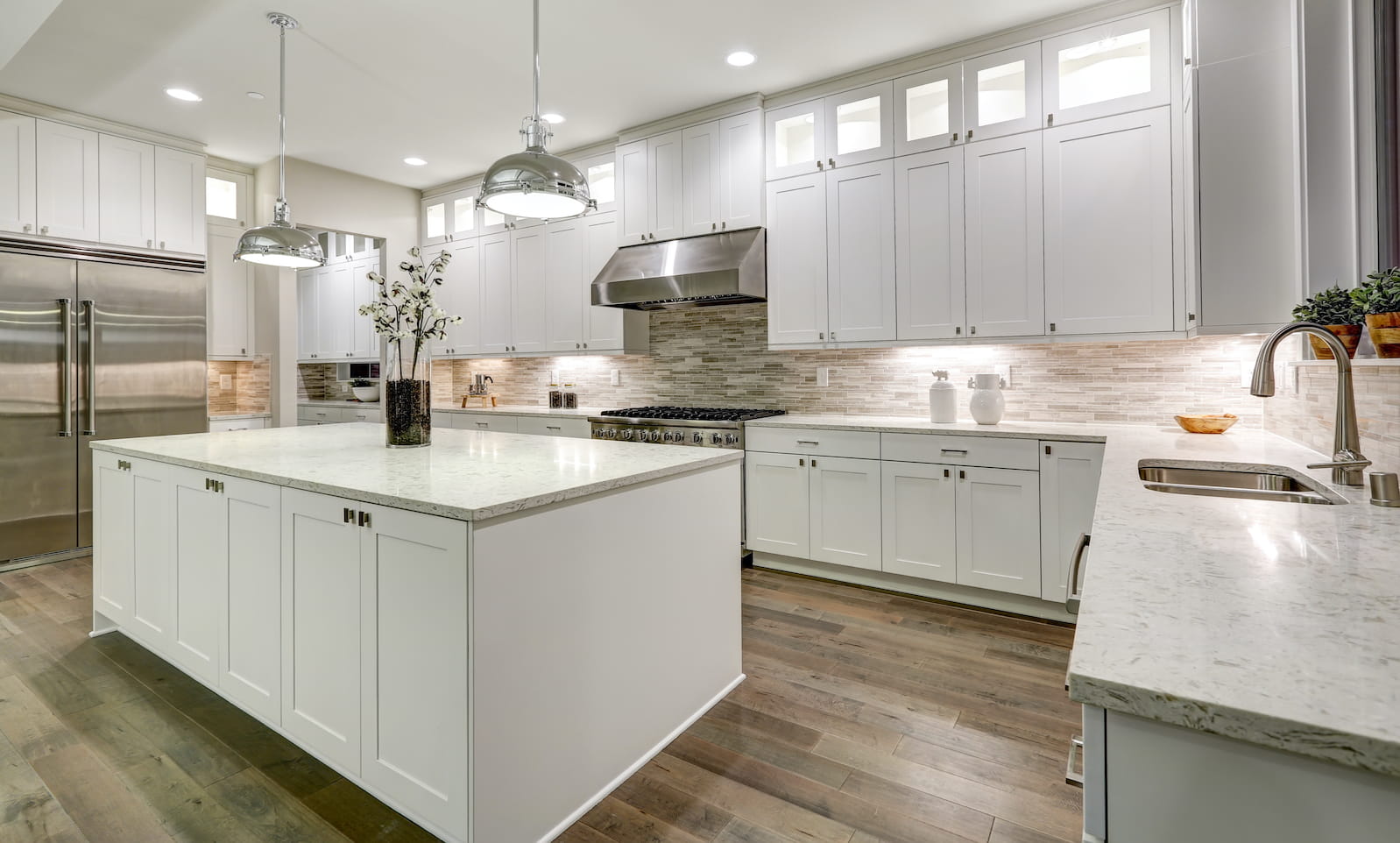
Most experts recommend:
- Minimum clearance: 36 inches
- Comfortable clearance: 42 inches
- Ideal clearance in busy kitchens: 48 inches
These distances should be measured between the island and surrounding cabinets, appliances, or walls.
Additional clearance may be needed near:
- Dishwashers
- Ovens
- Refrigerators
- Seating areas
If people will regularly walk behind seated guests, many designers recommend at least 44 inches of clearance for comfortable movement.
Interestingly, many kitchen remodeling discussions online reveal that homeowners who regret their island size often cite inadequate clearance rather than the island itself. Several experienced remodelers recommend prioritizing 42 inches or more whenever possible.
How Much Seating Space Do You Need?
One of the most popular reasons for installing an island is additional seating. Whether you envision casual breakfasts, homework sessions, or entertaining guests, seating requirements should influence your kitchen island size.
A commonly accepted guideline is:
- 24 inches of width per seated person
Using that rule:
- 2 seats = 48 inches of length
- 3 seats = 72 inches of length
- 4 seats = 96 inches of length
These measurements help ensure everyone has enough elbow room.
Recommended Overhang
For comfortable seating, islands should include a countertop overhang.
Typical recommendations include:
- 12 inches minimum
- 15 inches preferred for extended comfort
This allows enough knee room for sitting without feeling cramped.

Choosing the Right Island Depth
Depth affects both usability and appearance.
An island that is too shallow limits workspace, while one that is too deep can make it difficult to reach across the countertop.
For most homeowners:
- 36 inches depth works well for prep and storage
- 42 inches depth provides more workspace
- 48 inches depth offers maximum functionality
Larger depths are often appropriate when the island includes a sink, cooktop, or substantial storage components.
Common Kitchen Island Size Mistakes
Avoiding these mistakes can save considerable frustration during your remodel.
Prioritizing Size Over Function
Bigger is not always better. An oversized island can negatively impact workflow and make the kitchen feel crowded.
Ignoring Appliance Clearance
Dishwashers, refrigerators, and ovens require additional operating space. Make sure doors can fully open without obstruction.
Overestimating Seating Capacity
Many homeowners attempt to fit too many seats onto an island. Crowded seating quickly becomes uncomfortable.
Forgetting Traffic Flow
The kitchen often serves as a passageway between rooms. Walkways should remain comfortable even when multiple people are present.
Skipping a Mockup
Many designers recommend using painter’s tape or cardboard to outline the proposed island dimensions on the floor before construction begins. This simple exercise helps homeowners visualize the space and identify potential problems.
Should You Put a Sink or Cooktop in the Island?
The answer depends on how you use your kitchen.
Adding a sink or cooktop can improve efficiency, but it also affects the required kitchen island size.
Benefits of an Island Sink
- Creates a dedicated prep station
- Improves workflow
- Allows interaction with guests while preparing food
Benefits of an Island Cooktop
- Creates a social cooking experience
- Opens up perimeter counter space
Potential Drawbacks
- Requires plumbing or ventilation
- Reduces usable countertop area
- Can increase remodeling costs
Many kitchen designers prefer keeping the island focused on prep work, gathering, and seating rather than loading it with too many functions.
Finding the Best Kitchen Island Size for Your Lifestyle
The best kitchen island size is ultimately the one that supports your family’s daily routines.
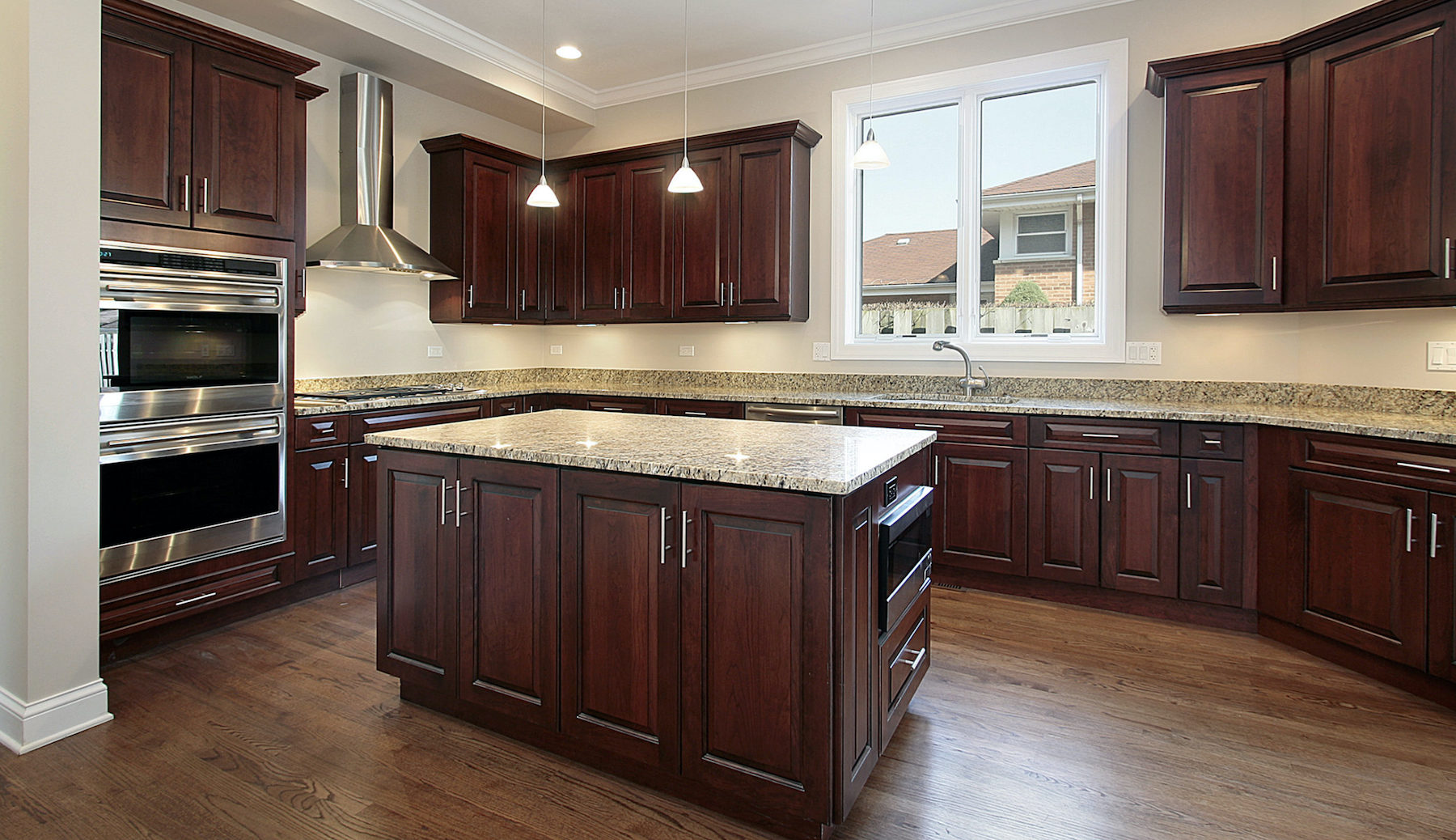
Ask yourself:
- Do you cook frequently?
- Do you entertain often?
- Do your children use the kitchen for homework?
- Do you need additional storage?
- Will the island serve as a dining area?
For some households, a compact 2-by-4-foot island is ideal. Others may benefit from a large 4-by-8-foot centerpiece with seating for four or more.
Rather than chasing the largest island possible, focus on creating the right balance between workspace, seating, storage, and circulation.
Work with Atlas Home Improvement to Design the Perfect Kitchen Island
Determining the ideal kitchen island size requires more than choosing dimensions from a chart. Every kitchen has unique constraints, traffic patterns, and functional goals that influence the final island design.
At Atlas Home Improvement, we help homeowners create beautiful kitchens that look great and work even better. Whether you’re planning a complete renovation or updating your existing layout, our experienced team can help you determine the perfect island size for your space, lifestyle, and budget.
Contact Atlas Home Improvement online or call 734-344-4788 today to schedule a consultation and start designing a kitchen island that becomes the true heart of your home.
Frequently Asked Questions
1. What is the most common kitchen island size?
A kitchen island around 3 feet by 6 feet is one of the most common sizes because it provides ample workspace, storage, and seating while fitting comfortably in many kitchens.
2. How much space should be between a kitchen island and cabinets?
Most designers recommend 42 to 48 inches of clearance, although 36 inches is often considered the minimum acceptable distance.
3. How many people can sit at a 6-foot kitchen island?
A 6-foot island can typically seat three adults comfortably when allowing approximately 24 inches of width per person.
4. Is a 4-foot-wide kitchen island too wide?
Not necessarily. A 48-inch-wide island is common in larger kitchens and provides generous workspace and storage, provided adequate clearance remains around the island.
5. What is the minimum size for a functional kitchen island?
Most experts recommend a minimum size of approximately 2 feet by 4 feet to provide meaningful workspace and storage.