


Best Paint for Kitchen Cabinets: Comparing the Top Paint Types for a Durable Finish
When homeowners start planning a kitchen remodel, cabinet color is often one of the first things they consider. Cabinets take up a significant amount of visual space, making them one of the most impactful elements in any kitchen design. Whether you’re updating outdated wood cabinets or giving your kitchen a completely new look, choosing the best paint for kitchen cabinets is essential for achieving attractive, long-lasting results.
At Atlas Home Improvement, we know that kitchen renovations are about more than aesthetics. Your cabinets must withstand daily use, moisture, grease, cleaning products, and constant opening and closing. That is why selecting the right paint matters just as much as choosing the right color.
In this guide, we’ll compare the most common cabinet paint types, discuss their advantages and drawbacks, and explain what homeowners should consider before starting a cabinet painting project.
Why Cabinet Paint Is Different From Wall Paint
Many homeowners assume that any interior paint can be used on cabinets. While standard wall paint may initially look good, it typically lacks the durability needed for cabinet surfaces.
Kitchen cabinets experience:
- Frequent touching and handling
- Exposure to moisture and humidity
- Food splatter and grease buildup
- Repeated cleaning
- Impact from cookware and kitchen accessories
Cabinet paints are specifically formulated to create a harder, more durable finish that resists chipping, scratching, staining, and wear.
When searching for the best paint for kitchen cabinets, durability should be just as important as appearance.
What Makes the Best Paint for Kitchen Cabinets?
Several characteristics separate quality cabinet paint from lower-performing alternatives.
Strong Adhesion
Cabinet surfaces are often smooth and non-porous. Paint must bond effectively to prevent peeling or flaking over time.
Durability
Kitchen cabinets endure constant use. A durable paint finish helps maintain a freshly painted appearance for years.
Smooth Finish
High-quality cabinet paint levels well during application, reducing visible brush strokes and creating a furniture-like finish.
Moisture Resistance
Because kitchens naturally generate humidity and steam, paint should resist moisture penetration and swelling.
Easy Maintenance
Cabinets should be easy to wipe clean without damaging the finish.
Comparing the Main Types of Cabinet Paint
Not all cabinet paints are created equal. Understanding the differences between each type can help homeowners make an informed decision.
Oil-Based Paint
For many years, oil-based paint was considered the gold standard for cabinetry.
Advantages
- Extremely durable finish
- Excellent leveling properties
- Smooth, professional appearance
- Strong resistance to wear and scratches
Disadvantages
- Longer drying times
- Strong odors during application
- More difficult cleanup
- Can yellow over time, particularly with white finishes
- Higher levels of volatile organic compounds (VOCs)
Oil-based paints still provide impressive durability, but many homeowners and professionals now prefer newer alternatives that offer similar performance with fewer drawbacks.
Latex Paint
Latex paint is water-based and widely available.
Advantages
- Lower odor
- Faster drying times
- Easy soap-and-water cleanup
- More environmentally friendly
Disadvantages
- May not be as durable as specialty cabinet paints
- Can show brush marks if not applied carefully
- Some formulations are more susceptible to chipping
While standard latex paint may not always be the best choice for cabinets, premium cabinet-grade latex products can provide excellent results when paired with proper preparation.
Acrylic Paint
Acrylic paint has become one of the most popular options for cabinet refinishing.
Unlike traditional latex products, acrylic paints typically contain higher-quality resins that improve performance and durability.
Advantages
- Excellent adhesion
- Durable finish
- Flexible and resistant to cracking
- Fast drying
- Low odor
- Color retention over time
Disadvantages
- Often more expensive than standard latex paint
- Surface preparation remains critical
For many homeowners, acrylic paint offers one of the best balances between durability, appearance, and ease of use.
Acrylic Latex Cabinet Paint: The Popular Modern Choice
Many cabinet-specific paints today are actually acrylic latex formulations that combine the advantages of both technologies.
These products are specifically engineered for high-touch surfaces and have become one of the leading recommendations for kitchen cabinets.
Many of today’s cabinet-specific paints use acrylic latex technology because it combines the strengths of traditional latex and acrylic formulations. These products are designed specifically for high-traffic surfaces such as kitchen cabinets, where durability and appearance are equally important.
Acrylic latex paints offer excellent adhesion, develop a hard and durable finish after curing, and provide strong resistance to moisture and everyday wear. Homeowners also appreciate their lower odor and easier application compared to oil-based paints. For these reasons, premium acrylic latex paints are often considered one of the best paint options for kitchen cabinets.
For homeowners seeking the best paint for kitchen cabinets, premium acrylic latex cabinet paints are often considered the most practical solution.
Understanding Cabinet Paint Finishes
Choosing the right paint type is only part of the equation. Finish selection also plays a major role in appearance and performance.
Matte Finish
Matte paint has very little sheen.
Pros:
- Soft, modern appearance
- Hides surface imperfections
Cons:
- Less durable
- More difficult to clean
- Not typically recommended for cabinets
Eggshell Finish
Eggshell provides a subtle sheen.
Pros:
- Slightly more washable than matte
- Attractive appearance
Cons:
- May not withstand heavy cabinet use
Satin Finish
Satin is one of the most common cabinet finishes.
Pros:
- Smooth appearance
- Good durability
- Easy cleaning
- Hides imperfections better than higher-gloss options
Cons:
- Slightly less reflective than semi-gloss
Semi-Gloss Finish
Semi-gloss remains a favorite choice for kitchens.
Pros:
- Durable
- Moisture resistant
- Easy to clean
- Reflects light well
Cons:
- Highlights surface imperfections
Gloss Finish
Gloss delivers the highest shine level.
Pros:
- Highly durable
- Extremely easy to clean
- Modern appearance
Cons:
- Shows imperfections, scratches, and fingerprints more readily
For most kitchens, satin and semi-gloss finishes provide the best combination of beauty and practicality.
The Importance of Proper Surface Preparation
Even the best paint cannot compensate for poor preparation.
Successful cabinet painting typically requires several key steps:
- Remove doors and hardware.
- Thoroughly clean all surfaces.
- Eliminate grease and cooking residue.
- Sand surfaces to improve adhesion.
- Repair dents or imperfections.
- Apply a high-quality primer.
- Paint using proper techniques.
Skipping preparation often leads to peeling, chipping, or uneven results regardless of paint quality.
Why Primer Matters
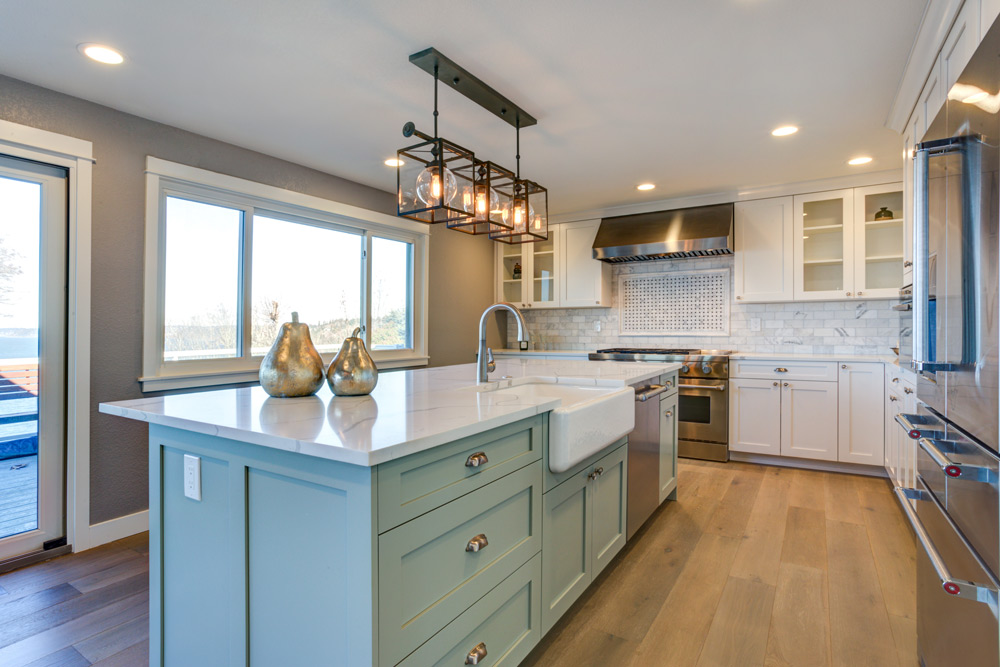
Primer serves as the foundation of a successful cabinet painting project.
A quality primer helps:
- Improve paint adhesion
- Block stains
- Create a uniform surface
- Reduce paint absorption
- Improve durability
Many homeowners focus heavily on selecting paint but overlook the importance of primer. In reality, both products work together to create a long-lasting finish.
Spray Painting vs Brush and Roller Application
Application method can significantly impact final results.
Brush Application
Advantages:
- Affordable
- Accessible for DIY projects
- Good control
Disadvantages:
- Visible brush marks
- Slower process
Roller Application
Advantages:
- Faster coverage
- Smoother finish than brushing
Disadvantages:
- May create slight texture
Spray Application
Advantages:
- Ultra-smooth appearance
- Professional-quality finish
- Consistent coverage
Disadvantages:
- Requires specialized equipment
- More extensive masking and preparation
Professional cabinet painters often prefer spray application because it delivers a factory-like finish that many homeowners desire.
Common Cabinet Painting Mistakes to Avoid
Even quality paint can fail when common mistakes occur.
Choosing the Wrong Paint
Using standard wall paint instead of cabinet-grade products often leads to premature wear.
Skipping Cleaning
Grease and cooking residue prevent proper adhesion.
Ignoring Sanding
A smooth cabinet surface may require sanding to help primer and paint bond correctly.
Rushing Dry Times
Paint needs adequate drying and curing time between coats.
Reinstalling Too Soon
Even when paint feels dry, it may still be curing. Premature use can damage the finish.
How Long Should Cabinet Paint Last?
The lifespan of painted cabinets depends on several factors:
- Paint quality
- Surface preparation
- Application method
- Kitchen usage
- Cleaning habits
A professionally applied cabinet coating using high-quality products can often maintain its appearance for many years when properly cared for.
Routine cleaning with non-abrasive products and prompt removal of grease buildup can help extend the life of the finish.
Choosing the Right Color Along With the Right Paint
While performance is critical, color remains one of the biggest decisions homeowners make.
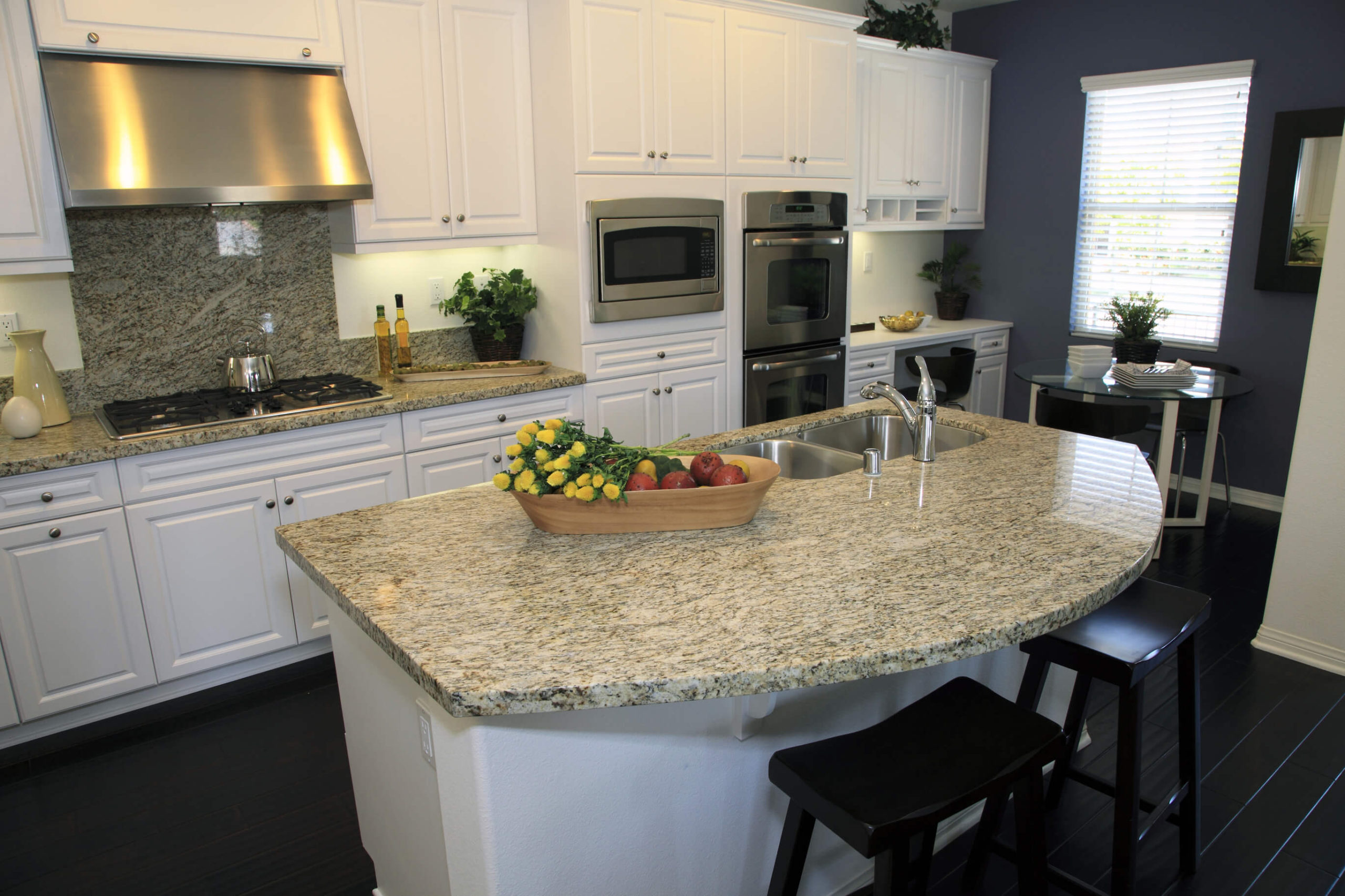
When selecting a cabinet color, homeowners have more options than ever before. White and warm white cabinets remain timeless choices because they create a bright, clean appearance and help smaller kitchens feel more spacious.
Cream and soft beige tones offer warmth while maintaining a classic look.
Gray and greige continue to be popular for their versatility and ability to complement a wide range of countertop, backsplash, and flooring materials.
For homeowners seeking a bolder design statement, navy blue, forest green, and charcoal cabinets can add depth, sophistication, and visual interest to the kitchen.
Lighter shades can make kitchens feel larger and brighter, while darker colors add contrast and sophistication.
Regardless of color choice, selecting a high-quality cabinet paint remains the key to maintaining a beautiful finish over time.
Should You Paint or Replace Your Cabinets?
Cabinet painting can be an excellent solution when cabinet boxes and doors remain structurally sound.
Painting existing cabinets can be an excellent investment when the cabinetry is still structurally sound and functional. Homeowners often choose painting when they are satisfied with their current kitchen layout but want to modernize the appearance of the space.
Cabinet painting is typically more affordable than a full replacement project and can dramatically transform the look of a kitchen without major construction. However, if cabinets are damaged, poorly designed, or no longer meet the household’s storage needs, replacement may be the more practical long-term solution.
However, replacement may be the better option if cabinets have significant damage, poor functionality, or outdated configurations.
A professional kitchen remodeling consultation can help determine which approach provides the greatest value.
Final Thoughts on the Best Paint for Kitchen Cabinets
Choosing the best paint for kitchen cabinets involves more than selecting a color. Durability, adhesion, moisture resistance, finish quality, and proper preparation all contribute to long-term success.
While oil-based paints were once the preferred standard, modern acrylic and acrylic latex cabinet paints have become popular due to their durability, ease of application, lower odor, and attractive finish options. Combined with proper priming and preparation, these products can provide beautiful, lasting results that transform the look of an entire kitchen.
At Atlas Home Improvement, we understand that cabinets play a central role in both the appearance and functionality of your kitchen. Whether you’re considering cabinet refinishing, a complete kitchen renovation, or custom cabinetry solutions, our experienced team is here to help you create a kitchen you’ll love for years to come.
Contact Atlas Home Improvement online or call 734-344-4788 today to schedule a consultation and discover how our kitchen remodeling experts can bring your vision to life.
FAQ: Best Paint for Kitchen Cabinets
1. What is the best paint for kitchen cabinets?
High-quality acrylic latex cabinet paint is often considered the best paint for kitchen cabinets because it offers durability, strong adhesion, moisture resistance, and easy maintenance.
2. Is satin or semi-gloss better for kitchen cabinets?
Both are excellent choices. Satin provides a softer appearance, while semi-gloss offers slightly better durability and easier cleaning.
3. Can I use regular wall paint on kitchen cabinets?
Regular wall paint is generally not recommended for cabinets because it lacks the durability needed to withstand daily wear and cleaning.
4. Do kitchen cabinets need primer before painting?
Yes. Primer improves adhesion, creates a consistent surface, and helps ensure a longer-lasting finish.
5. How long does cabinet paint take to cure?
While paint may feel dry within hours or days, full curing can take several weeks depending on the product and environmental conditions.
Related Topics