
Where to Put Your Kitchen Sink: The Best Placement for Function, Style, and Flow
If you’re planning a kitchen remodel in Michigan, deciding where to put your kitchen sink is one of the most important layout choices you’ll make. Your sink is one of the most frequently used areas in your kitchen, and its placement directly affects how efficiently you cook, clean, and move through the space.
The right placement can improve your workflow, maximize natural light, and even reduce renovation costs. The wrong placement? It can lead to frustration, wasted steps, and a layout that just doesn’t work.
In this guide, we’ll walk you through the best kitchen sink placement options, layout considerations, and practical tips to help you make the right decision for your space.
Planning a kitchen remodel in Michigan? Atlas Home Improvement can help you design a layout that fits your space and lifestyle. Call (734) 259-4374 or fill out the contact form on our website to get started.
Why It Matters Where You Put Your Kitchen Sink
Your kitchen sink isn’t just a fixture—it’s a central part of your daily routine. Whether you’re rinsing vegetables, washing dishes, or filling pots, you’ll use it constantly.
The placement of your sink directly impacts:
- Workflow efficiency – How easily you move between tasks
- Kitchen traffic flow – Avoiding congestion in busy areas
- Comfort and ergonomics – Reducing unnecessary movement
- Overall design – Balancing function with aesthetics
Traditionally, designers use the kitchen work triangle, which connects the sink, stove, and refrigerator. While modern kitchens in Michigan homes often expand beyond this concept, it’s still a helpful guideline for creating an efficient layout.
The Most Popular Kitchen Sink Placement Options
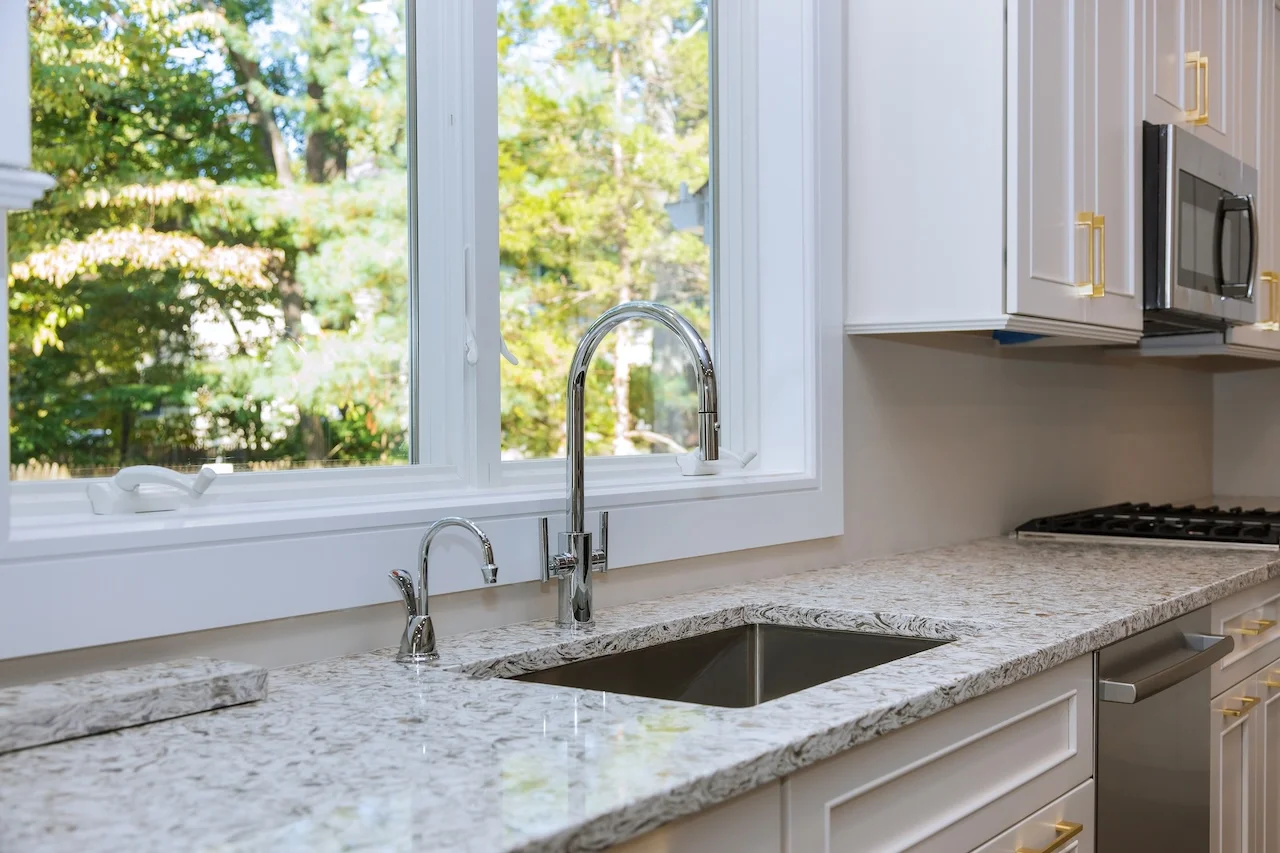
Sink Under a Window (Most Common Choice)
Placing your sink under a window is the most traditional and widely preferred option, and for good reason.
Pros:
- Natural light makes cleaning and prep easier
- Provides a pleasant view while working
- Creates a bright, open feel
Cons:
- Window height can limit faucet choices
- Splashing may affect the window area
Best for: Homeowners who value natural light and a classic kitchen layout.
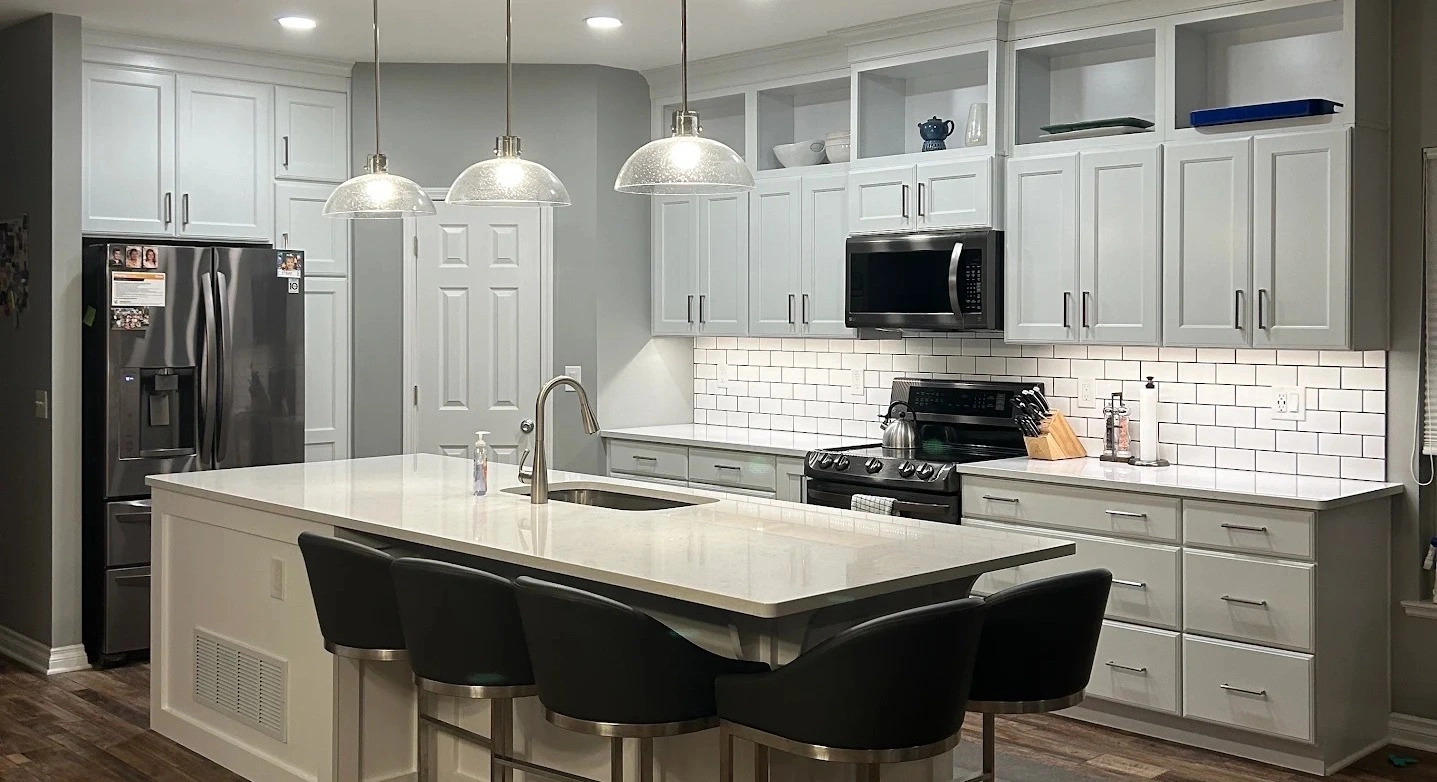
Sink in a Kitchen Island
Island sinks have become increasingly popular, especially in open-concept homes.
Pros:
- Keeps you engaged with family or guests while working
- Ideal for food prep and multitasking
- Works well in modern layouts
Cons:
- Water splashes may be more visible
- Requires additional plumbing work
Best for: Entertaining spaces and modern kitchen designs.
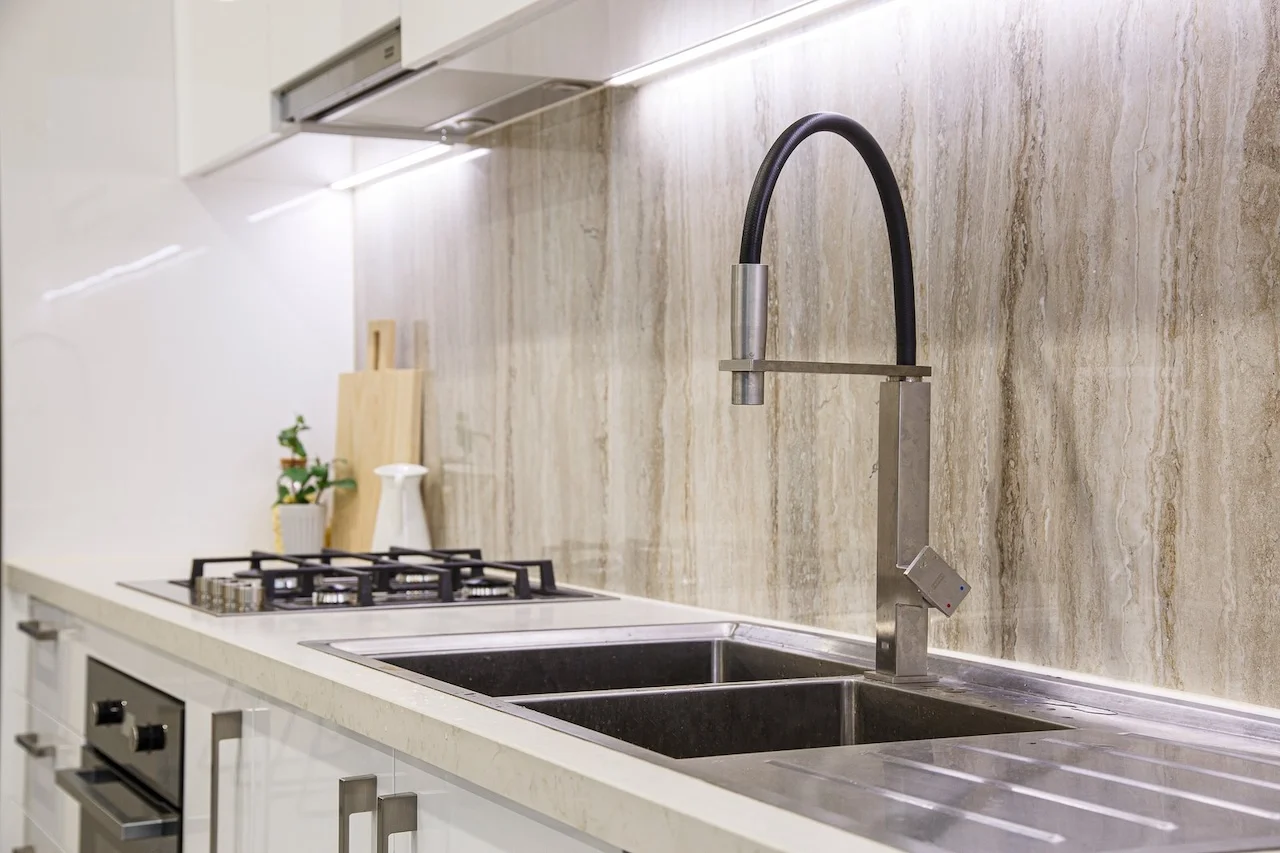
Sink Along a Wall (No Window)
This is a practical option, especially when plumbing constraints or layout limitations come into play.
Pros:
- Easier and more cost-effective plumbing
- Flexible design options
Cons:
- Less natural light
- Can feel less visually appealing
Best for: Smaller kitchens or budget-conscious remodels.
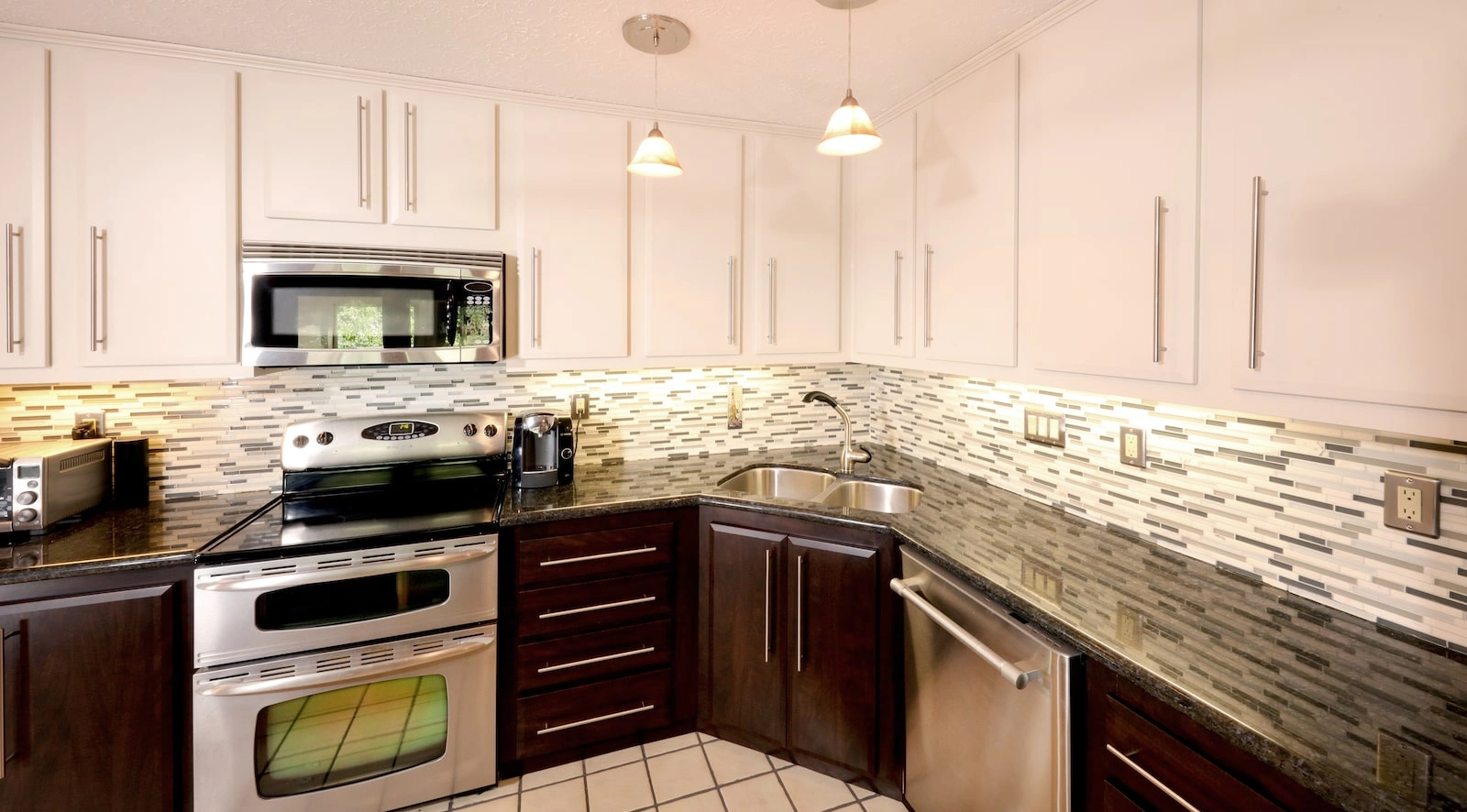
Corner Sink Placement
Corner sinks are less common but can be useful in certain layouts.
Pros:
- Maximizes counter space
- Makes use of underutilized areas
Cons:
- Can feel cramped
- Less efficient for multitasking
Best for: Compact or uniquely shaped kitchens.
Kitchen Layouts and Where to Put Your Kitchen Sink
The layout of your kitchen plays a major role in determining where to put your kitchen sink. Each layout naturally lends itself to certain placement options—whether that’s under a window, in an island, along a wall, or even in a corner. Choosing the right combination helps create a kitchen that feels both functional and intuitive.
Galley Kitchen Sink Placement
In a galley kitchen, space is tight, so efficiency is key. The best place to put your kitchen sink is typically along one wall, positioned between the stove and refrigerator to support a smooth workflow.
In most galley layouts:
- Sinks are placed along a wall rather than in a corner or an island
- If possible, placing the sink under a window can make the narrow space feel more open and inviting
- Avoid corner placements, which can disrupt movement in an already tight layout
This setup minimizes unnecessary steps and keeps everything within easy reach.
L-Shaped Kitchen Sink Placement
L-shaped kitchens offer more flexibility, making them ideal for a variety of sink placements.
Common options include:
- Under a window along one leg of the “L” (most popular)
- Centered along a wall for balanced workflow
- Corner sink placement to maximize counter space in smaller kitchens
In some open-concept L-shaped kitchens, you may also consider placing the sink in a small island extension, combining the benefits of visibility and functionality.
The goal is to maintain a natural flow between the sink, stove, and refrigerator without overcrowding one area.
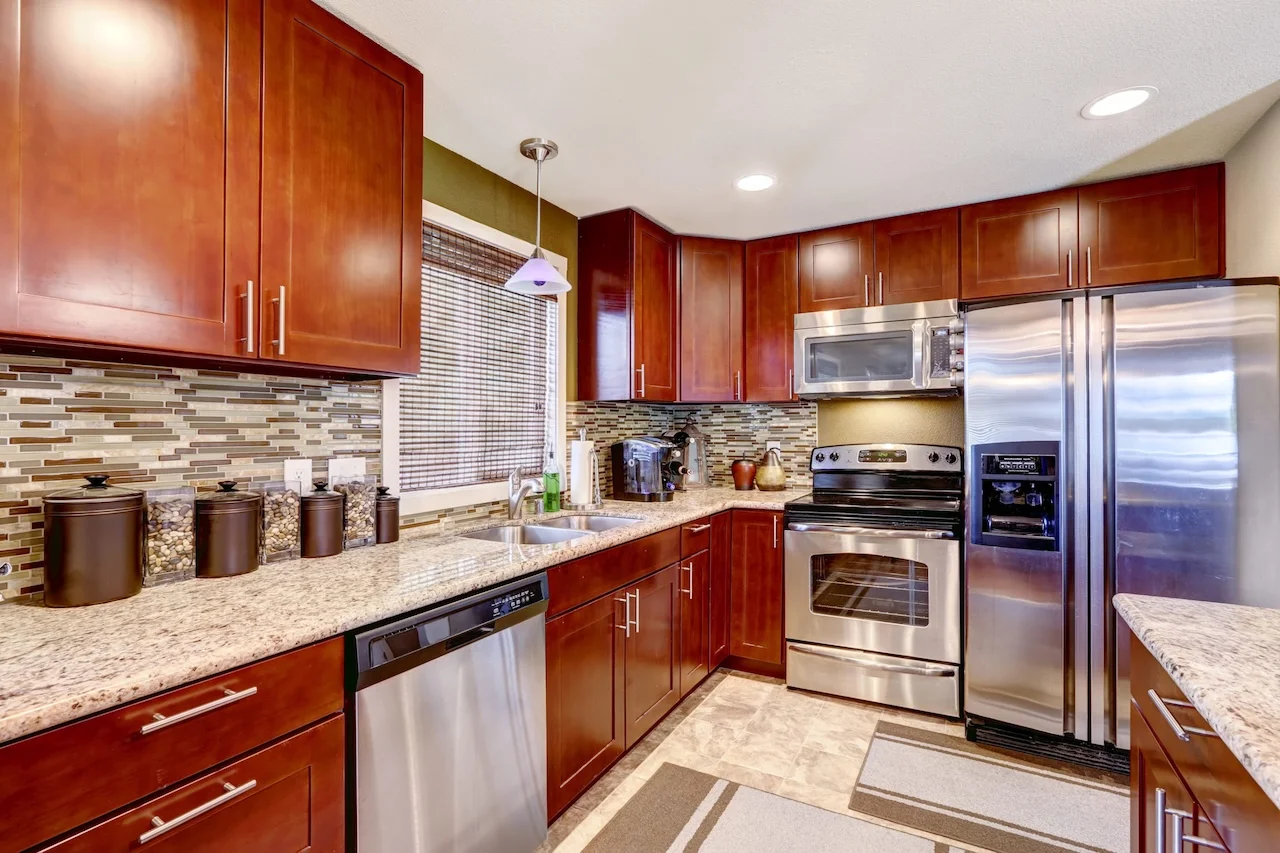
U-Shaped Kitchen Sink Placement
A U-shaped kitchen provides plenty of workspace, making it one of the most efficient layouts for cooking and cleaning.
The best placement options include:
- Centered on the middle wall, often under a window
- Along one side wall, depending on plumbing and design
- Occasionally, a corner sink can be used to free up long stretches of counter space
Because this layout surrounds you with workspace, placing the sink in a central position ensures easy access from all sides and supports a highly functional work triangle.
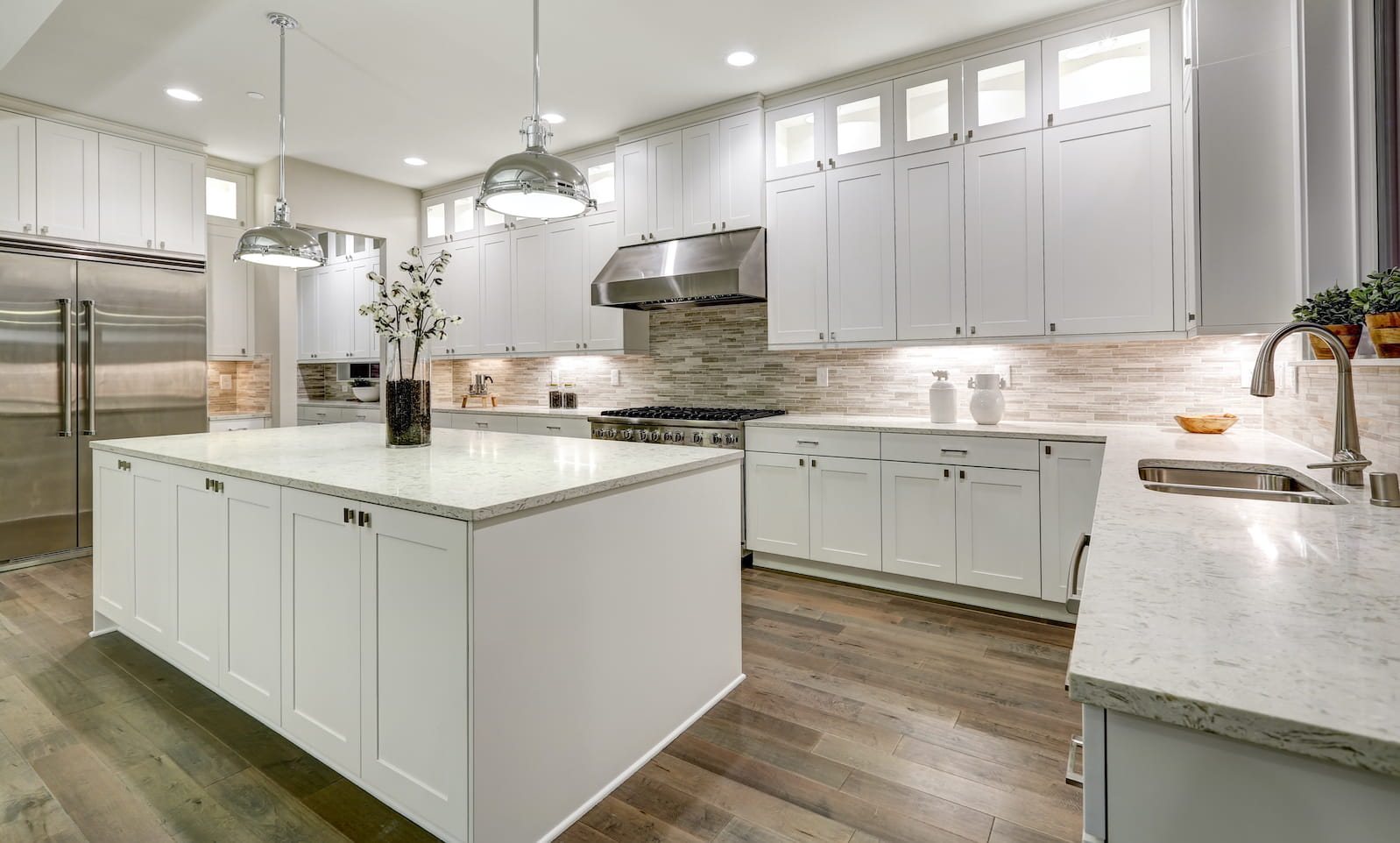
Open-Concept Kitchen Layouts
In open-concept kitchens, sink placement is just as much about aesthetics as it is about function.
Popular choices include:
- Kitchen island sinks, which allow you to face outward and stay connected with guests or family
- Perimeter sinks under a window, if you prefer to keep the island clean and uncluttered
- Along a wall, when maintaining a minimalist or streamlined design
Island sinks are especially common in these layouts because they combine visibility, convenience, and social interaction. However, if you prefer a cleaner island surface, placing the sink under a window is still a strong, functional choice.
Key Factors to Consider When Deciding Where to Put Your Kitchen Sink
Before finalizing where to put your kitchen sink, it’s important to think beyond just appearance. The right placement should support how you actually use your kitchen every day while also keeping your renovation practical and cost-effective.
Some of the most important factors to keep in mind include:
- Plumbing location: Moving your sink far from existing plumbing can increase installation costs, so it’s worth factoring this into your layout early
- Dishwasher placement: Your dishwasher should be right next to the sink to make loading and unloading quick and efficient
- Trash and recycling: Keeping these nearby helps streamline cleanup and reduces unnecessary movement
- Counter space: Make sure you have enough room on either side of the sink for prep work and drying dishes
- Lighting: A combination of natural light and task lighting will make the space more functional
- Traffic flow: Avoid placing the sink in high-traffic areas where people may pass behind you while you’re working
Taking the time to plan around these details can make a big difference in how your kitchen feels and functions.
Kitchen Sink Placement Rules of Thumb
If you’re not sure where to start, there are a few tried-and-true guidelines that can help you make a confident decision.
In general, your sink should be positioned in a way that supports both efficiency and comfort. For example, it should remain part of the kitchen’s natural workflow and be surrounded by enough usable space.
Here are a few simple rules to follow:
- Keep the sink within the kitchen work triangle for better efficiency
- Allow at least 24 inches of counter space on one side of the sink
- Place the dishwasher directly next to the sink for convenience
- Avoid positioning the sink directly against a wall, which can feel cramped
- Make sure there’s proper lighting above the sink area
These guidelines aren’t strict rules, but they provide a strong foundation for a functional kitchen design.
Common Mistakes When Choosing Where to Put Your Kitchen Sink
Even a well-designed kitchen can fall short if sink placement isn’t carefully thought out. Small oversights can lead to daily frustration and a layout that doesn’t quite work.
One of the biggest mistakes homeowners make is focusing too much on aesthetics without considering how the space will function. Your kitchen might look great, but if it’s not practical, it won’t feel right.
Here are some common mistakes to watch out for:
- Ignoring workflow and how you move through the kitchen
- Prioritizing looks over everyday functionality
- Not leaving enough counter space around the sink
- Placing the sink in a poorly lit area
- Forgetting to include storage nearby for cleaning supplies
Avoiding these issues early on can save you time, money, and frustration later.
Design Tips to Maximize Your Kitchen Sink Area
Once you’ve decided where to put your kitchen sink, the next step is making that space as functional and efficient as possible. A few thoughtful upgrades can go a long way in improving usability.
Start by thinking about how you use your sink day-to-day, then layer in features that support those habits.
Some simple but effective design tips include:
- Installing a pull-down faucet for added flexibility and ease of use
- Adding smart under-sink storage to keep cleaning supplies organized
- Choosing between a single or a double basin based on your cooking and cleaning habits
- Incorporating task lighting to improve visibility while working
- Using durable, easy-to-clean materials that can handle daily wear and tear
With the right setup, your sink area can become one of the most efficient and enjoyable parts of your kitchen.
Should You Move Your Kitchen Sink During a Remodel?
Moving your sink can dramatically improve your kitchen—but it’s not always necessary.
Consider moving it if:
- You’re redesigning the entire layout
- Your current placement disrupts the workflow
Consider keeping it if:
- You’re working within a tight budget
- The existing location already functions well
A professional can help you weigh the cost versus the benefit.
Professional Guidance for the Perfect Kitchen Sink Placement
At the end of the day, where to put your kitchen sink can make or break your kitchen’s functionality. By considering your layout, workflow, and daily habits, you can create a space that’s both efficient and enjoyable to use.
At Atlas Home Improvement, we help homeowners design kitchens that are both beautiful and functional. From layout planning to full renovations, our team ensures every detail, including sink placement, is thoughtfully considered.
If you’re planning a kitchen remodel in Michigan, our team at Atlas Home Improvement is here to help. Call us at (734) 259-4374 or fill out the contact form on our website to get started.
Frequently Asked Questions About Where to Put Your Kitchen Sink
Q: Where is the best place to put your kitchen sink?
The best place to put your kitchen sink is typically between your stove and refrigerator, creating an efficient workflow. Many homeowners also prefer placing the sink under a window for natural light.
Q: Should a kitchen sink always be under a window?
No, a kitchen sink does not have to be under a window. While it’s a popular option, sinks can also be placed in islands or along walls, depending on your layout.
Q: Can I move my kitchen sink during a remodel?
Yes, but moving a sink may increase costs due to plumbing changes. It’s often worth it if it improves your kitchen’s functionality.
Q: Where should a sink go in a kitchen island?
A sink in a kitchen island should be placed with enough surrounding counter space and positioned to minimize splashing into seating areas.
Q: How much space should be around a kitchen sink?
Ideally, allow at least 24 inches of counter space on one side and about 18 inches on the other for optimal usability.
Q: Is it better to have a sink or a cooktop in the island?
Many homeowners prefer a sink in the island for prep and interaction, while keeping the cooktop along the perimeter to contain mess and heat.
Q: What is the kitchen work triangle, and how does it affect sink placement?
The kitchen work triangle connects the sink, stove, and refrigerator. Proper placement improves efficiency and reduces unnecessary movement.
Q: What are common mistakes when deciding where to put your kitchen sink?
Common mistakes include poor lighting, lack of counter space, ignoring workflow, and placing the sink too close to walls.