
Cabinet Refacing vs. Refinishing: Which Kitchen Update Makes More Sense?
Maybe your kitchen still works just fine. The cabinet boxes are solid, the layout makes sense, and everything is where you need it to be. But visually, the room tells a different story.
The finish may be worn, the color may feel dated, or the door style may no longer match the look you want for your home. That can leave you wondering whether you really need to replace all of your cabinets—or whether a smarter update could give you the change you’re after.
That’s where the cabinet refacing vs. refinishing decision becomes important.
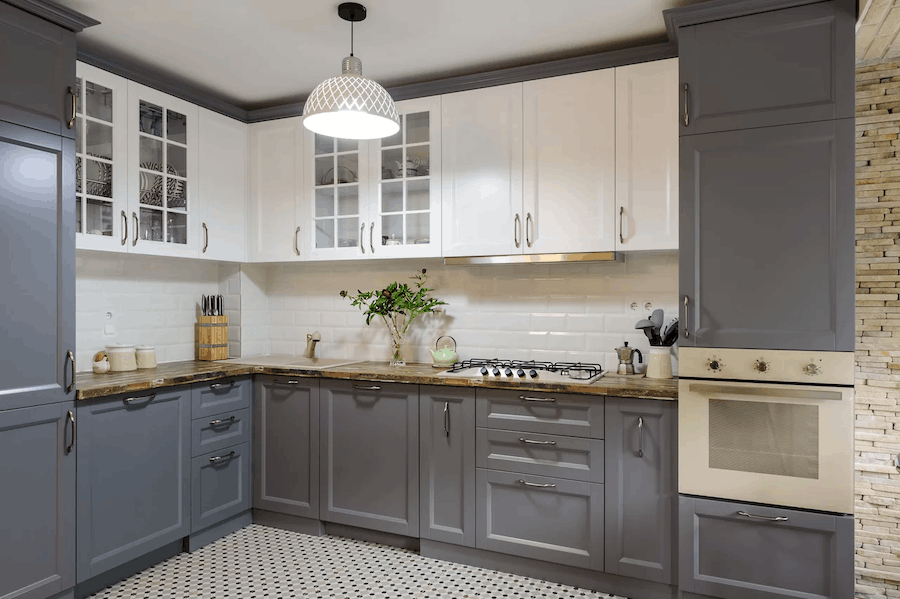
Both can refresh a kitchen, but they solve different problems. The right choice depends on what you like about your current cabinetry, what you want to change, and whether your existing layout and storage still work for the way you live.
Since 1989, Atlas Home Improvement has helped homeowners across Michigan make remodeling decisions with those bigger-picture questions in mind. In this guide, we’ll explain what refacing and refinishing can realistically accomplish, where each option has limitations, and how to decide which direction makes the most sense for your kitchen.
Don’t put off the kitchen update you’ve been thinking about. Contact our team at 734-344-4788 or contact us online today to explore cabinet solutions that can refresh your space without starting from scratch.
What Is Cabinet Refinishing?
Cabinet refinishing works with the doors, drawer fronts, and cabinet surfaces already in the kitchen.
Depending on the material and existing finish, the process may involve cleaning, surface preparation, minor repairs, sanding or other abrasion, priming, painting, staining, or applying another finish.
The main limitation is simple: the cabinet design stays the same.
A raised-panel door remains a raised-panel door. Decorative grooves and trim remain in place. The color may change significantly, but the basic style does not.
Refinishing May Make Sense If:
- You like your existing cabinet door style.
- Doors and drawer fronts are still in good condition.
- The current layout works well.
- Your main complaint is color, fading, or surface wear.
- The cabinet material is suitable for the desired finish.
Refinishing works best when you actually want to preserve most of what is already there.
What Is Cabinet Refacing?
Cabinet refacing takes the update further.
The existing cabinet boxes remain, but the visible surfaces are updated and the doors and drawer fronts are replaced.
That gives homeowners more design flexibility, including the ability to choose a different:
- Door profile
- Color or finish
- Drawer-front style
- Hardware
- Overall design direction
This makes refacing especially useful when the kitchen layout works but the cabinetry looks dated.
For example, if you have ornate or heavily detailed doors and want a cleaner, more streamlined look, refinishing can only change their color. Refacing allows you to choose an entirely different door style.
You can explore cabinet door options to see how much door profile influences the finished kitchen.
Start With the Cabinet Boxes
Before comparing finishes or door styles, determine whether your existing cabinet boxes are worth keeping.
Look beyond the exterior and inspect the cabinets for:
- Swelling or deterioration
- Loose joints
- Sagging shelves
- Water damage
- Cabinets pulling away from walls
- Other structural issues
If the cabinet boxes are significantly damaged, applying a new finish or exterior surface does not correct the underlying problem.
Cabinet construction matters because cabinetry must withstand years of repeated use and loading. The Kitchen Cabinet Manufacturers Association’s ANSI/KCMA A161.1 certification program, for example, evaluates structural performance, doors, drawers, and finishes through standardized testing.
The takeaway for homeowners is straightforward: appearance alone doesn’t tell you whether a cabinet is worth preserving.
Do You Dislike the Finish—or the Door Style?
One simple question can help clarify your options: Would you like your current cabinet doors in a different color?
If yes, refinishing may be enough. If not, the issue is probably the door style itself.
That matters because repainting or restaining won’t remove arches, raised panels, grooves, or other decorative details.
Refinishing changes the finish. Refacing can change the style.
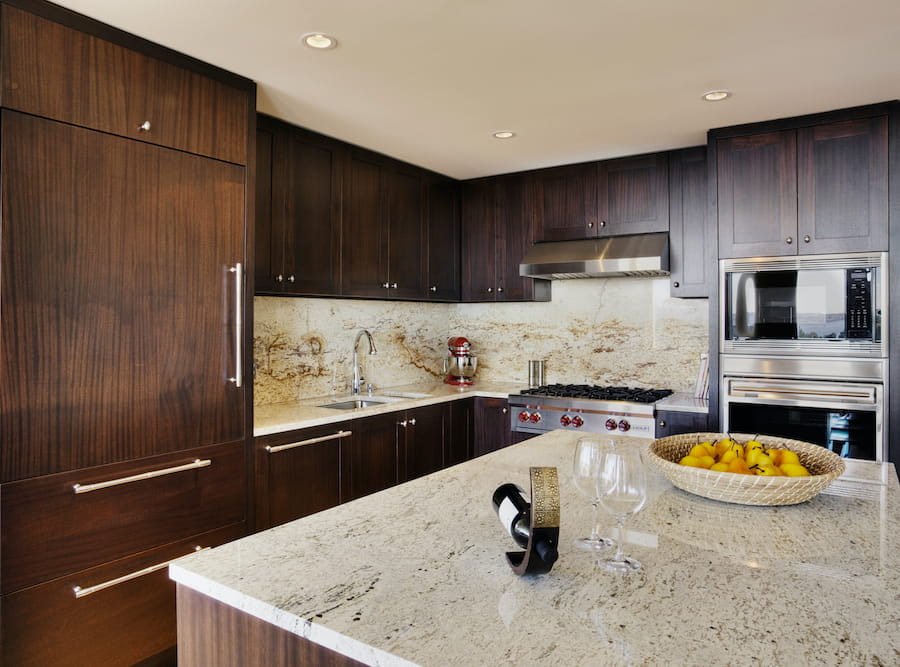
Does Your Kitchen Layout Still Work?
Refinishing and refacing both preserve your existing cabinet footprint.
That works well if the layout already suits your needs. But if you struggle with poor appliance placement, insufficient storage, awkward traffic flow, hard-to-reach cabinets, or an ineffective island, keeping the same boxes may preserve the problem.
If your goals involve moving cabinetry or significantly improving storage and function, a broader kitchen remodeling project or cabinet remodeling project may make more sense.
Think About Storage and Accessibility
Before keeping the existing layout, consider how well your cabinets work day to day.
Do you need more pantry space, easier-to-reach storage, deep drawers, or pull-outs? For households planning around changing mobility needs, ADA-focused kitchen remodeling can address circulation, reach, and usability more comprehensively.
A fresh cabinet exterior won’t solve storage that doesn’t work.
When Cabinet Refacing May Make More Sense
Refacing often works well when the cabinet boxes and layout are still good, but the style isn’t.
It may be a good fit if:
- The cabinet boxes are structurally sound.
- You like the existing footprint.
- You want a different door style.
- Existing doors are worn or damaged.
- You want a bigger visual change than a new finish.
Keeping the existing boxes can also preserve more material than a full tear-out.
When Refinishing May Make More Sense
Refinishing may be the better fit if you already like the cabinet design and mainly want a new color or refreshed surface.
However, it generally won’t:
- Change the door profile
- Add storage
- Move cabinets or appliances
- Repair seriously damaged boxes
- Fix an inefficient layout
If those are your real goals, refinishing may not go far enough.
What Are Your Cabinets Made From?
Cabinets may be made from solid wood, veneer, engineered wood, laminate, thermofoil, or a combination of materials.
That matters because not every surface can be refinished the same way. Before choosing refinishing, identify the existing material and whether it can realistically support the finish you want.
Use Extra Care With Painted Cabinets in Older Homes
If your home was built before 1978, old painted surfaces may require additional precautions.
The U.S. Environmental Protection Agency notes that pre-1978 homes are more likely to contain lead-based paint, and renovation work that disturbs those coatings can create hazardous dust.
Homeowners should understand what coatings may be present before sanding or removing old paint.
What Affects Cabinet Refacing or Refinishing Cost?
Project cost depends on factors such as:
- Number of cabinets, doors, and drawers
- Existing condition
- Cabinet materials
- Surface preparation
- Door and finish selections
- Hardware
- Repairs or modifications
Refinishing usually preserves more existing components, while refacing adds new doors, drawer fronts, and exterior materials.
The most useful comparison is a project-specific estimate based on what you actually want to change.
Consider the Rest of the Kitchen
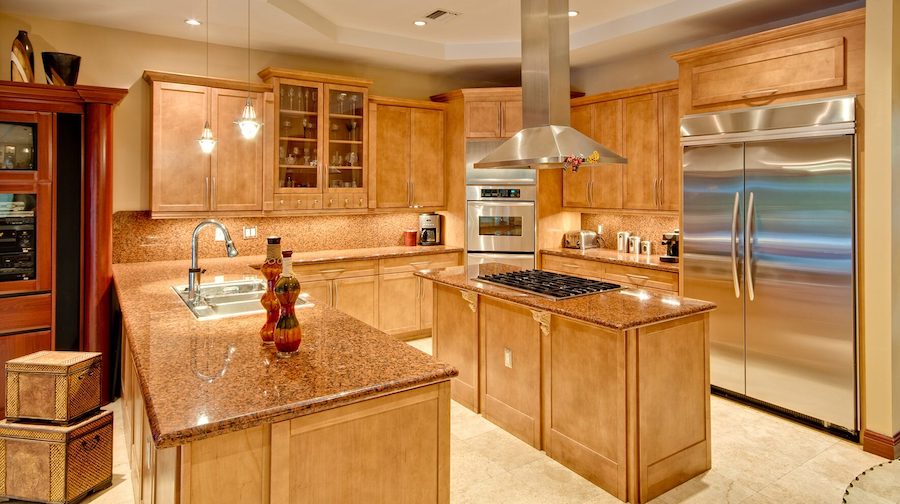
Because cabinets are such a large visual element, changing them can affect how countertops, flooring, backsplash, appliances, and lighting look together.
You don’t necessarily need to replace those features, but your cabinet selections should coordinate with what remains.
Atlas can also help with related upgrades such as backsplashes, flooring, lighting, and kitchen islands.
Refacing vs. Refinishing vs. Replacement
A simple way to decide is by the amount of change you need.
Refinishing
Best when the boxes, doors, layout, and storage work and you mainly want a new finish.
Refacing
Best when the cabinet structure and footprint work, but you want new doors, drawer fronts, and exterior surfaces.
Replacement
Best when you need a different layout, more storage, major repairs, or a broader redesign.
The key question isn’t which option is universally better. It’s how much of your current kitchen is actually worth preserving.
Why Choose Atlas Home Improvement for Your Kitchen Update?
Choosing the right cabinet solution is only part of the project. You also need a remodeling company you can trust to recommend an appropriate scope and complete the work with care.
Atlas Home Improvement is family-owned and operated by father-son team David and Darian Bobby. Since 1989, Atlas has built deep roots in the community by focusing on an exceptional remodeling experience.
Homeowners can expect:
- Top-of-the-line products designed for lasting performance
- Expert installation from an in-house team of remodeling specialists
- Clear communication throughout the project
- Honest, reliable service
- A strong focus on long-term value and customer satisfaction
Because Atlas offers a range of kitchen remodeling services, homeowners can evaluate their cabinets as part of the entire room rather than treating them as an isolated cosmetic feature.
Give Your Cabinets the Right Kind of Update
When comparing cabinet refacing vs. refinishing, begin with what you want to keep.
If you like your cabinet boxes, doors, layout, and storage but dislike the finish, refinishing may provide the change you need.
If the boxes and layout still work but the doors and visible surfaces no longer suit your style, refacing may offer a more substantial transformation.
And if you need different storage, a new footprint, major repairs, or a broader redesign, it may be time to think beyond both options.
Atlas Home Improvement can help you determine which kitchen update fits your home, your goals, and your existing cabinetry. Call 734-344-4788 today to start planning your project.
FAQ: Cabinet Refacing vs. Refinishing
Q: Is cabinet refacing the same as refinishing?
No. Cabinet refacing usually keeps the existing cabinet boxes but replaces the doors and drawer fronts while updating the visible exterior surfaces. Cabinet refinishing keeps the existing doors and drawer fronts and changes their surface appearance with paint, stain, or another finish.
Q: Is it better to reface or refinish kitchen cabinets?
It depends on what you want to change. Refinishing may make sense if you like your current cabinet doors and only want a new color or finish. Refacing may be a better fit if the cabinet boxes are still sound but you want a different door style or a more noticeable visual transformation.
Q: Can all kitchen cabinets be refinished?
Not necessarily. The cabinet material, existing finish, surface condition, and desired result all affect whether refinishing is practical. Solid wood, veneer, laminate, thermofoil, and engineered materials may require different preparation methods or may not support the same finishing options.
Q: When should you reface cabinets instead of replacing them?
Refacing can make sense when the cabinet boxes are structurally sound, the existing layout works well, and your main goal is to update the visible style. If the boxes are badly damaged or you want to change the kitchen layout, storage, or cabinet dimensions, replacement may be more appropriate.
Q: Does cabinet refacing change the kitchen layout?
Typically, no. Refacing preserves the existing cabinet boxes and footprint. If you want to move cabinetry, add substantial storage, change appliance locations, or redesign the room, a broader kitchen remodeling project may be necessary.
Q: Is cabinet refacing more expensive than refinishing?
Refacing often involves more new materials because doors and drawer fronts are replaced, while refinishing generally preserves more existing components. However, actual cost depends on the number of cabinets, condition, materials, finish selections, hardware, and required repairs.
Q: How do I know if my cabinets are good candidates for refacing?
Start by checking the cabinet boxes for water damage, swelling, loose joints, sagging shelves, or other structural problems. If the boxes are in good condition and the layout still works for your household, refacing may be worth considering.
Q: Can cabinet refacing make old cabinets look modern?
Yes, refacing can create a substantial style change because the doors and drawer fronts are replaced. Choosing a cleaner door profile, updated finish, and new hardware can give existing cabinet boxes a much more current appearance.
Q: Should I update my countertops when I reface my cabinets?
Not always. If your existing countertops are in good condition and coordinate with the new cabinet style, they may be worth keeping. However, it is smart to consider countertops, backsplash, flooring, lighting, and hardware together so the finished kitchen feels cohesive.
Related Topics
- Overlay or Inset Cabinets? The Definitive Guide to Transforming Your Kitchen
- How to Make Light Wood Cabinets Work in Your Kitchen