



How to Pick the Perfect Whole-House Generator
When the power goes out, your home shouldn’t have to shut down with it. Whether caused by hurricanes, snowstorms, heatwaves, or downed lines, outages can be more than inconvenient. They can interrupt essential systems, spoil food, and even endanger health. For homeowners seeking reliable backup power, a whole-house generator offers peace of mind and seamless protection.
But how do you choose the right one for your home? This in-depth guide walks you through everything you need to know—from power requirements to installation—to help you make a smart, informed investment.
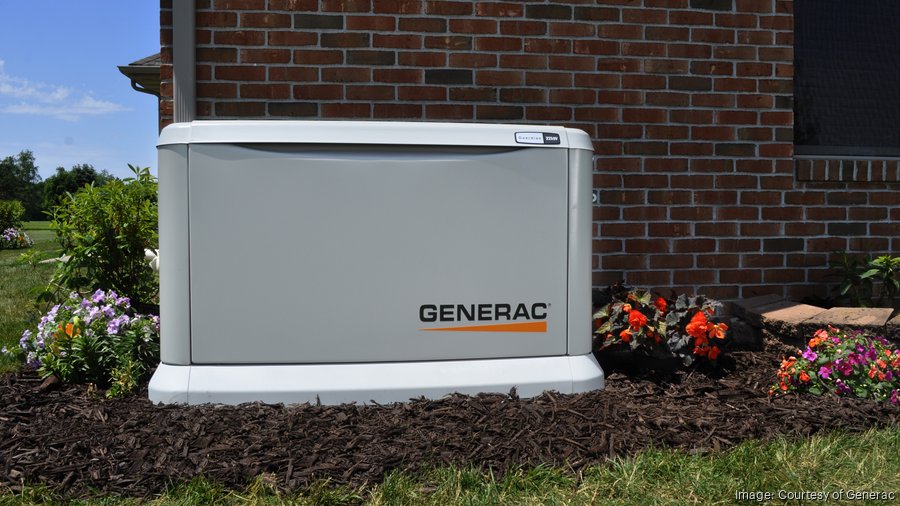
Why Consider a Whole-House Generator?
A whole-house generator (also called a standby generator) is permanently installed and connects directly to your home’s electrical system. It automatically starts during an outage and can power your entire home—or just the circuits you prioritize—depending on the generator’s size. Installing a standby generator has many benefits, including
- Automatically turns on within seconds of a power loss
- Supplies uninterrupted electricity to essential and nonessential systems
- Offers fuel efficiency and long runtime
- Requires little to no manual interaction during emergencies
- Provides better long-term value compared to portable units
- Often includes load management systems for optimal performance
Step 1: Decide Whether a Whole-House Generator Is Right for You
Not every home needs a full backup system. You need to ask yourself –should you buy a standby generator? Or is something smaller like a portable generator a better fit for your needs. Start by considering how frequently your area experiences outages and how critical uninterrupted power is for your household.
You might need a whole-house generator if:
- Your region experiences frequent or prolonged blackouts
- You rely on well pumps, sump pumps, or medical equipment
- You live in a rural or remote area with limited infrastructure
- You work from home or require consistent internet and communication
By considering what blackout circumstances apply to your home and life, you can make a better decision on which type of generator fits your needs.
Step 2: Understand Your Home Power Needs
Properly sizing your generator is one of the most important steps. An undersized generator may overload and fail to power essential systems. An oversized unit may waste fuel and money.
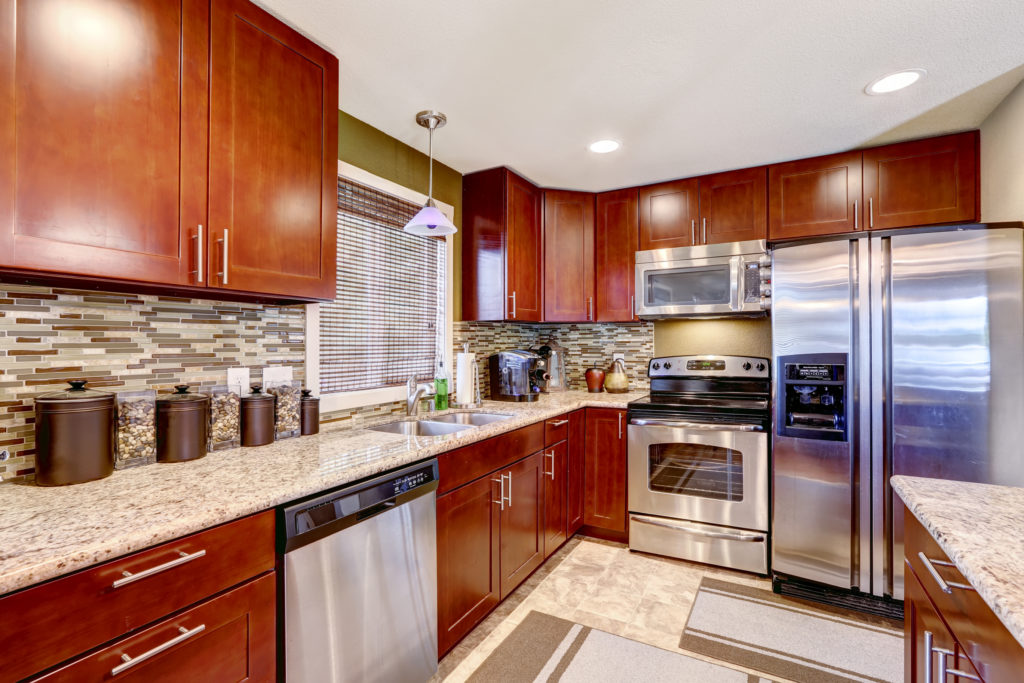
Calculating Generator Power Requirements
- Make a list of the appliances and systems you want to power: HVAC, refrigerators, lighting, sump pumps, computers, etc.
- Check the wattage for each item. You’ll find these on the appliance’s data plate or in its manual.
- Add up the running wattage.
- Add the starting wattage for appliances like refrigerators and AC units, which often require 2–3 times more power to start than they do to run.
- Multiply amps by volts for each item to get watts:
Starting Amps × Volts = Starting Watts
Divide by 1,000 to convert to kilowatts (kW).
Best practice: Choose a generator rated 20 to 25 percent higher than your total wattage needs. This ensures safe operation and room for future power needs.
Example:
- Total peak load = 22kW
- Recommended generator size = 26kW
Step 3: Choose a Generator Fuel Source
Selecting the right fuel source affects how your generator performs during an outage, how often you’ll need to refuel or maintain it, and what your long-term costs will be.
Natural Gas
A convenient choice that connects directly to your home’s utility line, offering unlimited fuel without on-site storage or manual refueling. It requires minimal maintenance but can be disrupted if gas service is interrupted during a storm.
Propane
Clean-burning with a long shelf life, propane is a reliable option stored in tanks on your property. It’s stable and efficient, but you’ll need to monitor fuel levels and arrange for refills, especially before extended outages.
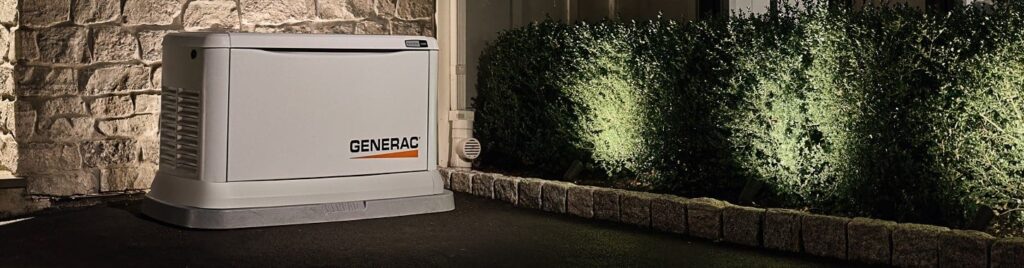
Step 4: Select a Generator Transfer Switch
The transfer switch is what allows your generator to safely power your home by shifting the load from utility power during an outage. You’ll need to choose between two main types, automatic or manual. Whichever type you choose, the switch must match your main electrical panel (usually 100 or 200 amps) to ensure safe and reliable operation.
Automatic Transfer Switch (ATS)
This type monitors your home’s power and automatically starts the generator and switches power when an outage occurs. It’s the most convenient option—ideal for whole-house systems, critical equipment, or homeowners who want a fully hands-off solution.
Manual Transfer Switch
With a manual switch, you’ll need to start the generator and flip the switch yourself. It’s a more affordable option and works well for portable or partial backup systems if you’re comfortable managing the transition during an outage.
Generator Sizing and Selection Guide
| Generator Size (kW) | Power Capacity | Home Size / Use Case | What It Can Power | Best For |
| 5 – 8.5 kW | Large portable | Small to midsize homes with selective usage | Refrigerator, lights, well pump, microwave, some heating/cooling (not central) | Occasional outages with manual operation |
| 10– 20 kW | Entry-level whole home generator | Medium homes backing up essentials | Fridge, sump pump, lighting, furnace fan | Budget-friendly whole-home essentials backup |
| 20 – 28 kW | Standard home standby | Most single-family homes | Nearly all systems (HVAC, kitchen, laundry), load managed | Full-house power with some prioritization |
Generator Installation and Safety Considerations
While a licensed contractor will handle the full installation of your whole-house generator—including all electrical and fuel connections—there are a few best practices homeowners should be aware of to ensure safe and compliant setup.
What to Know About Installation:
- Generator Placement: Your installer will position the unit outdoors, but you should ensure it’s located at least 5 feet away from doors and windows to prevent exhaust from entering the home.
- Ground Conditions: The generator should be installed on stable, level ground that is not prone to flooding.
- Code Compliance: Licensed professionals will follow local building codes and utility company guidelines, but it’s a good idea to ask your contractor to confirm this.
- Permits: Permitting is typically managed by your installer, but homeowners should verify that all required permits have been obtained before work begins.
Safety Best Practices for Homeowners:
- Carbon Monoxide Detectors: Install CO detectors throughout your home, especially near sleeping areas, even if the generator is placed correctly.
- Ventilation: Be sure the area around the generator remains clear and well-ventilated—don’t allow landscaping or other structures to obstruct airflow.
- Weatherproofing: Only outdoor-rated, weatherproof models should be used for home backup. Your contractor will ensure this, but it’s good to confirm.
- Indoor Use Warning: Never attempt to operate any generator indoors or in an enclosed area, including garages or sheds, even temporarily.
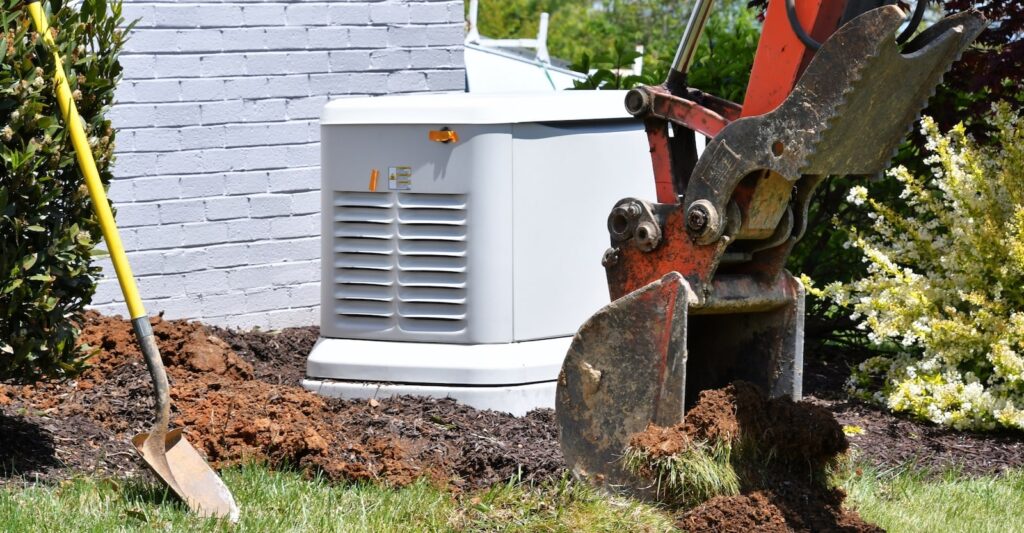
Generator Maintenance Requirements
Routine maintenance keeps your generator ready for the next outage.
For standby generators:
- Run a self-test weekly (many models do this automatically)
- Schedule professional service annually
- Check for oil changes, fuel filter replacement, and air filter cleaning
- Keep the area clear of debris, snow, or vegetation
FAQ’s
How much does a whole-house generator cost?
A whole-house generator typically costs $4,000 to $9,000 for the unit and $3,000 to $15,000 for installation, depending on size, fuel type, and local permitting. Large liquid-cooled units (27–48 kW) can exceed $20,000 installed. Always request a personalized quote based on your home’s power needs and existing utilities.
What size generator do I need to power my whole house?
Generator size depends on the total wattage of the systems you want to power. Most single-family homes require between 22 kW and 28 kW for full coverage. A licensed installer can perform a load calculation to match your essential and nonessential circuits with the right generator size.
What’s the difference between a portable and a whole-house generator?
A portable generator requires manual setup, limited power output, and frequent refueling. A whole-house (standby) generator is permanently installed, starts automatically, and powers your entire home or selected circuits through an automatic transfer switch. While costlier, standby systems offer greater convenience, safety, and reliability during extended outages.
Is propane or natural gas better for a standby generator?
Both fuels are reliable: Natural gas: unlimited supply via utility line, minimal maintenance, but can be disrupted during severe storms. Propane: clean-burning, stores well, ideal for rural properties, but requires monitoring tank levels. Your installer can recommend the best fuel based on availability and cost in your area.
Are You Ready to Have a Home Generator Installed?
With a properly sized and professionally installed whole-house generator, you’ll never be left in the dark. It keeps your home safe, comfortable, and fully functional—no matter the weather or power outages.
Atlas Home Improvement is here to help you find the perfect backup solution. Contact us today to learn more or request your free, no-obligation quote.